
When you shop for solid hardwood furniture, the wood species and finish get most of the attention. The most important detail is often the part you don’t notice until years later, how the piece is joined together.
At Heirloom Amish Furniture in Winter Garden, Florida, we focus on furniture that is designed to stay tight, sturdy, and dependable throughout the years. It comes from time-tested joinery methods like mortise-and-tenon construction and dovetail drawers. These joints are designed to stay tight under daily use and resist loosening over time.
We pair that construction with solid American hardwoods for strength and long-term stability.
This guide breaks down why joinery matters and what these joints actually do so you can find furniture that is worth the investment.
Why Joinery Matters?
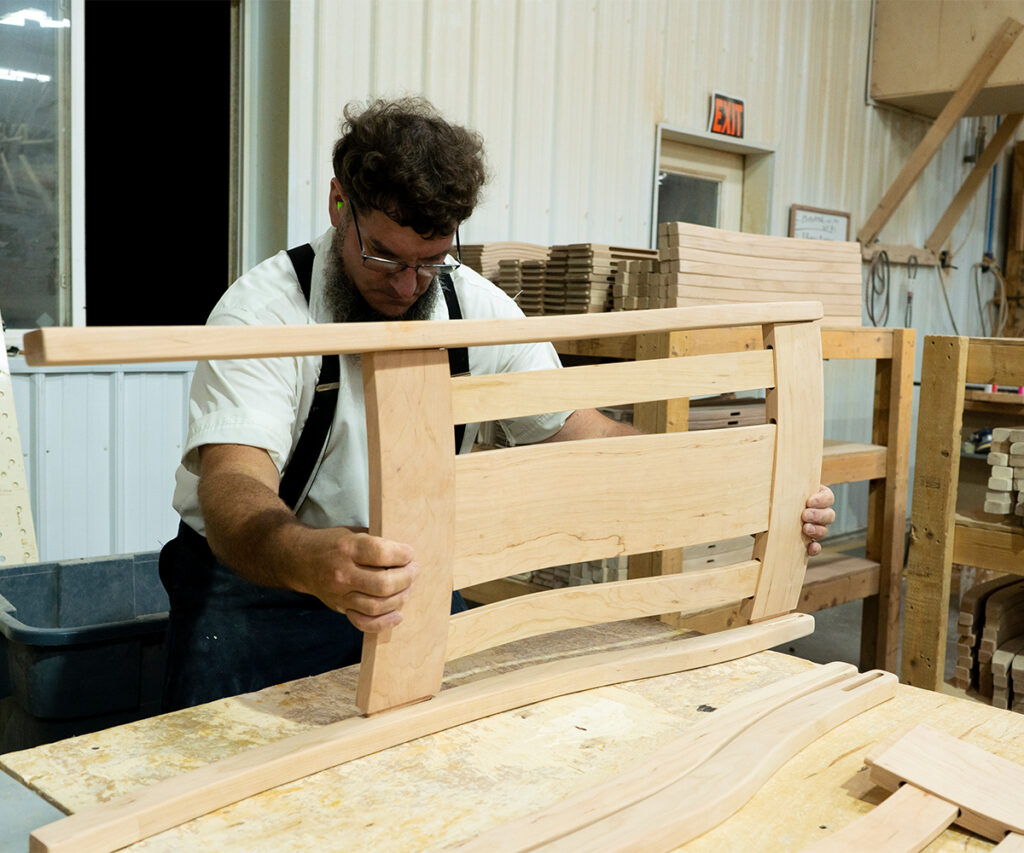
Furniture doesn’t fail because the surface gets scratched, but it does fail when the structure loosens. The loosening usually comes down to how the parts were connected.
A strong joint does four practical things:
- It spreads stress across more wood. The force isn’t concentrated on a single screw or staple.
- It resists racking. Racking is the subtle twisting that gradually loosens frames over time.
- It holds tight through seasonal movement. Wood naturally expands and contracts as humidity changes.
- It can be maintained and repaired correctly. Better construction gives you options years down the road.
When you’re buying hardwood furniture with the intention of keeping it, joinery is the difference between how it looks a year later compared to how it looks 10 years later.
Mortise & Tenon: The Foundation of a Sturdy Frame
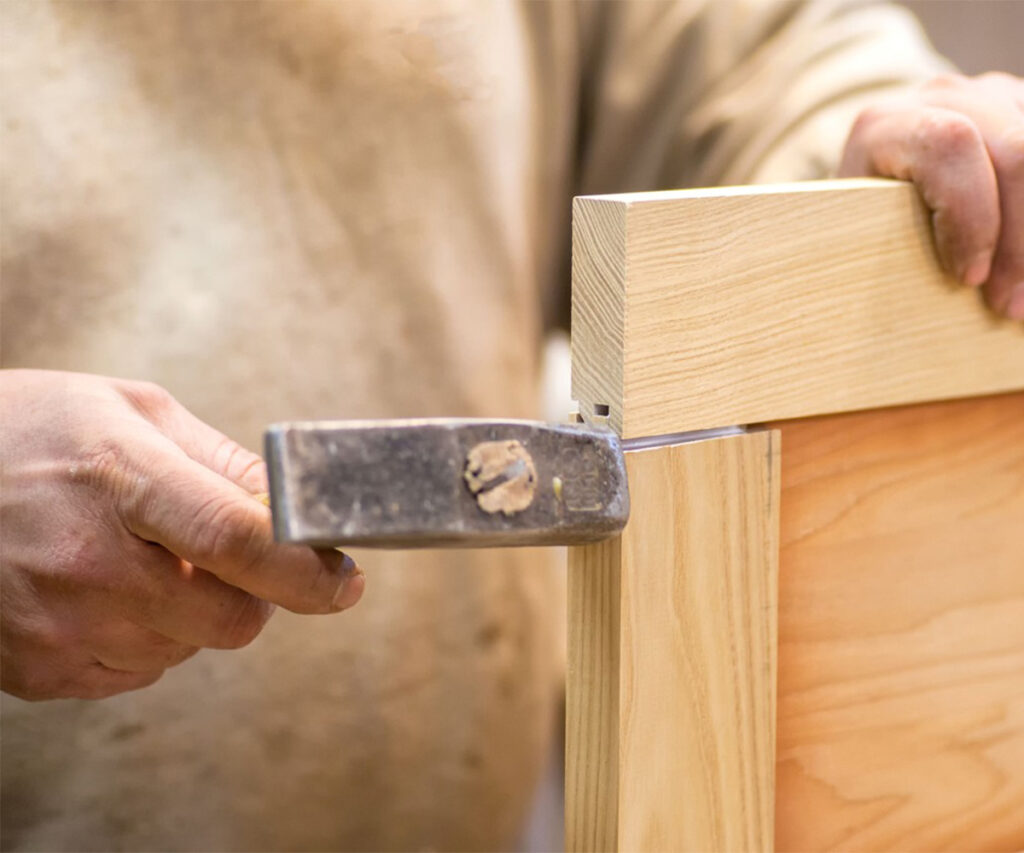
If you’ve ever lifted one corner of a table and felt it flex you’ve felt what weak frame joinery looks like. Mortise and tenon construction is the classic solution, and is common in Amish furniture because it has proven to work for decades.
A tenon is a precisely shaped “tongue” cut at the end of a piece of wood. A mortise is the matching socket cut into the adjoining piece. When fitted together, you get a joint that is mechanically strong even before glue enters the picture.
Instead of a fastener biting into the end of a board, mortise-and-tenon joinery creates broad wood-to-wood contact. The joint handle real stress without loosening when this process is done right.
Mortise-and-tenon joinery is used in the most demanding parts of furniture:
- Chair frames
- Table bases
- Bed rails and headboards
- Cabinet frames and doors
These are all areas where fast, mass-produced construction tends to fail first.
Mortise and tenon joints are durable because they:
- create a large bonding surface
- keep parts aligned under repeated pressure
- resist twisting that causes wobble
Mortise and tenon construction gets its strength from solid wood fitted and locked into solid wood. The tight fit and broad wood-to-wood contact are what keep frames stable over years of daily use. Instead of relying on screws or bracket this joinery builds strength into the structure so the piece stays tight and square.
Dovetail Drawers: Built to Take Daily Abuse
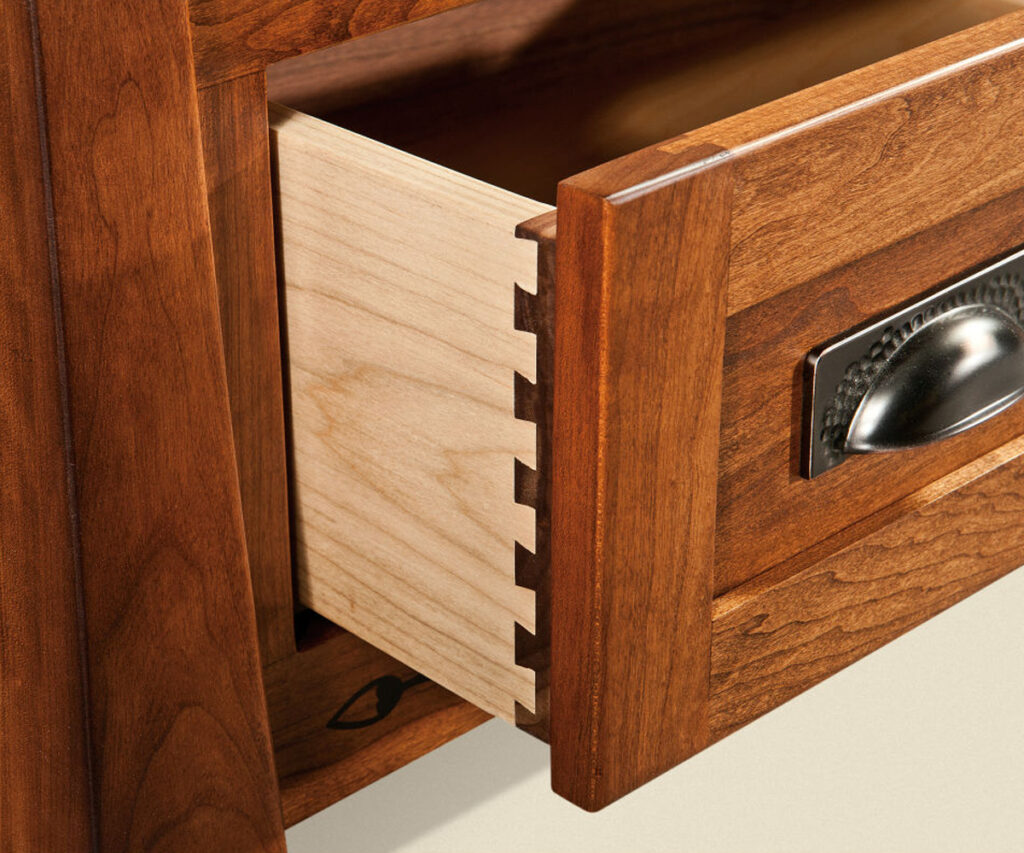
Drawers are one of the easiest places to see the difference between quality.
Most drawers are held together with staples, thin nails, or glue. These drawers may work at first but overtime with daily use the joints weaken.
That’s why dovetail joinery is such an important quality feature.
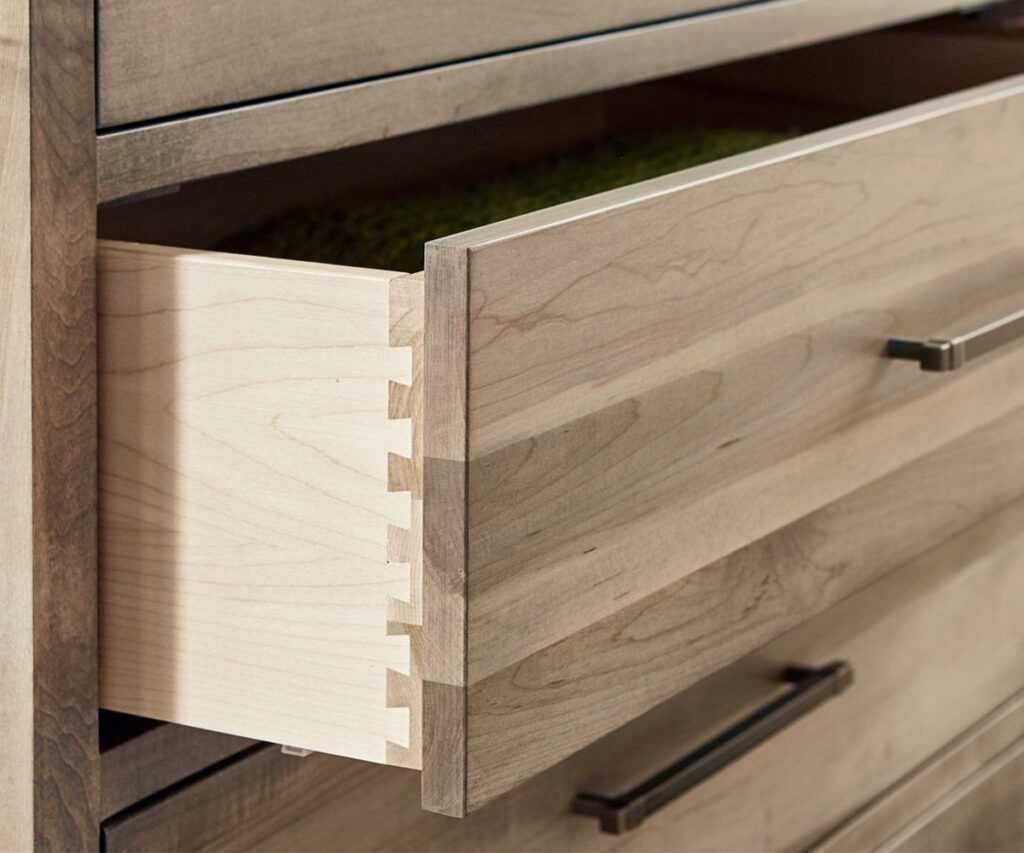
A dovetail joint interlocks two boards using a series of pins and tails that flare outward. That flared shape is the key making the boards resist pulling apart. Even if you stress the drawer repeatedly, the joint geometry fights separation.
Dovetailed drawers help prevent the most common drawer failures:
- front pulling away from the sides
- corners loosening and racking
- bottoms sagging because the box no longer stays square
Dovetails aren’t about being fancy, they’re about strength where drawers take the most punishment. The interlocking shape helps the drawer box resist pulling apart. Dovetail drawers hold up longer than any other drawer.
Why Screws, Staples, and Brackets Aren’t the Same
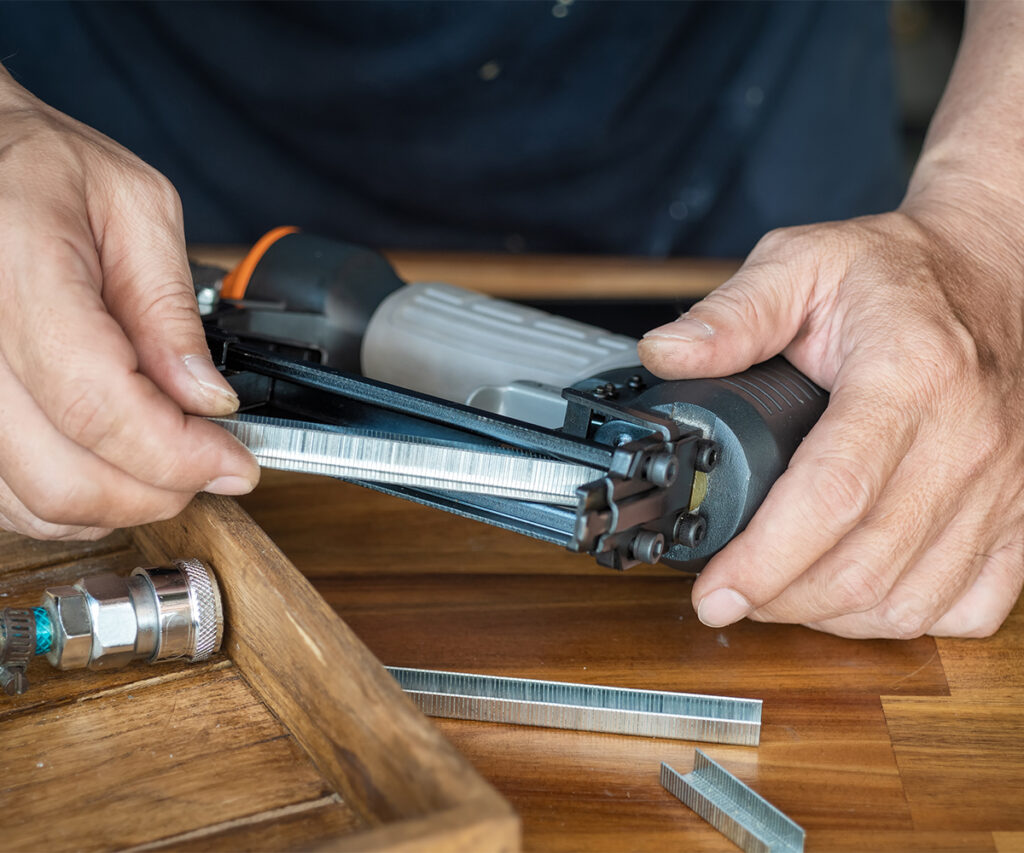
A lot of furniture is built with methods that prioritize speed:
- Staples are fast but don’t offer deep structural strength.
- Screws into end grain can strip over time as the wood expands and contracts.
- Metal brackets can hold things together, but they often concentrate stress in small areas—leading to loosening and squeaks.
Some hardware has its place, especially for certain designs. But when hardware becomes the main structural solution the durability usually takes a beating.
Traditional joinery keeps strength in the wood itself. That’s why well-built hardwood furniture can stay solid throughout decades of use.
How to Spot Quality Joinery When You Shop
You don’t need woodworking experience to evaluate construction. Here are quick checks that tell you a lot:
- Test for racking. Gently twist a chair back or table base. Quality construction resists that movement.
- Check drawers. Pull them out and look at the corners. Dovetails are easy to identify and hard to fake convincingly.
- Listen. Creaks and squeaks often come from joints shifting under load.
- Look for consistent alignment. Even gaps, square corners, and clean fit signal careful construction.
- Ask how the frame is built. The answer should be clear: mortise-and-tenon for frames, dovetails for drawers, and solid hardwood construction.
If you’re local, visiting the Winter Garden store can make these differences obvious because you can feel the weight, stability, and fit in person.
See the Difference in Person at Heirloom Amish Furniture
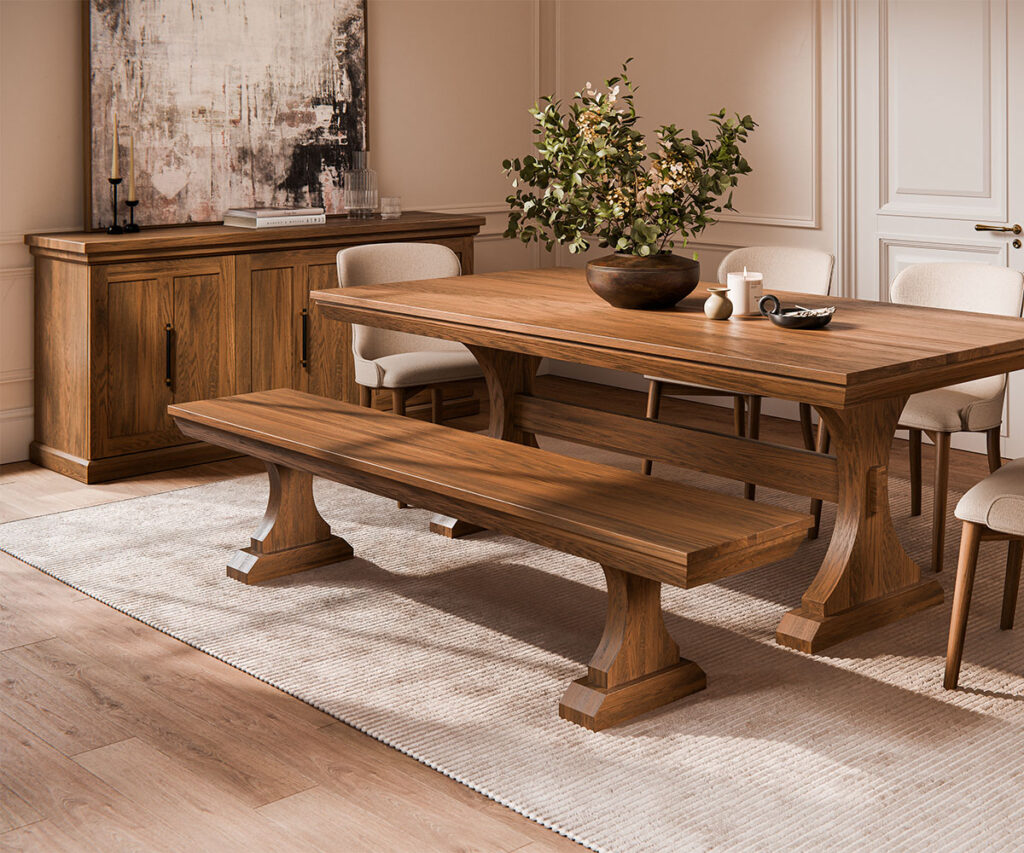
Heirloom-quality furniture isn’t defined by a label. It is defined by construction that stays solid year after year including mortise and tenon frames and dovetail drawers.
Stop in to explore our showroom at Heirloom Amish Furniture, and ask us about these joinery methods and how they affect the quality of your furniture. Build pieces you’ll still feel proud to own ten or twenty years from now.