
Do you own one, two, or more pieces of solid wood furniture? If so, you’ve likely made a meaningful investment in sturdy, timeless pieces. As Sirie Keefrider writes for Keefrider Custom Furniture, “Solid wood furniture is a timeless investment…” With consistent care and the right cleaning methods, your solid wood furniture can remain in excellent condition and become a cherished heirloom for future generations.
If you’re wondering how to best care for your wood furniture, the following tips will guide you through safe and effective cleaning techniques for solid wood pieces.
Understanding Real Wood Furniture

Beautiful pieces of solid wood furniture are meant to last a lifetime. But a lifetime requires care, so building regular cleaning habits, like dusting, helps maintain original features. At Heirloom Amish Furniture, we’re proud to carry pieces that are:
- Handcrafted
- Custom-made
- Built-to-last
- Sustainable
- High-quality
Types of Real Wood & Their Characteristics
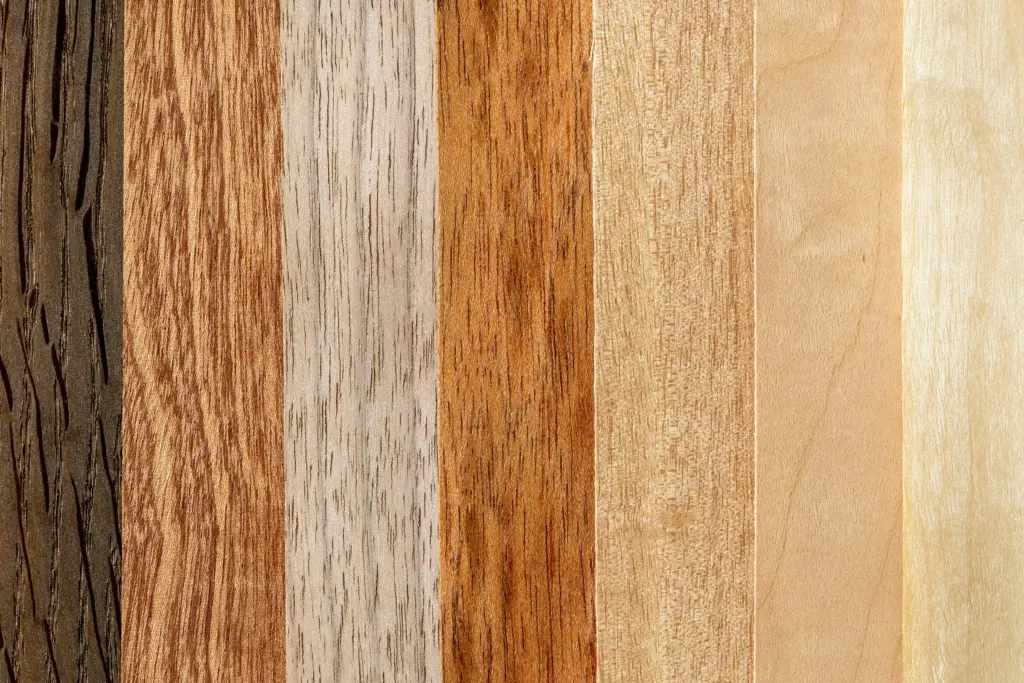
There are several types of wood; to name a few, we carry cherry, walnut, oak, and maple. Real wood furniture is valuable for its longevity, authenticity, and eye-catching characteristics such as color, grain, hardness, and aging. Check out this chart to see what we’re talking about:
| Color | Grain | Hardness | Aging | |
| Cherry | Warm browns, reddish to pinkish | Fine, straight | ✓ | darkens |
| Walnut | Rich, dark browns, chocolate to purplish black | Straight, open | ✓✓ | lightens |
| Oak | Warm reddish brown | Bold, swirling | ✓✓✓ | minimal color change |
| Maple | Light creamy white to pale yellow | Fine, uniform | ✓✓✓✓ | minimal color change |
Myths vs. Facts about Wood Furniture Care
It’s important to know what kind of furniture is in your home to properly care for it. Naturally, wood isn’t high maintenance. Common misconceptions about taking care of it include excessive polishing or waxing, applying too much water, and rotating among household cleaners.
However, we’re here to tell you to stick to the basics. Weekly dusting with microfiber cloths, one slightly damp and another dry, is enough. Avoid excessive polishing and waxing.
Cleaning Techniques for Different Finishes
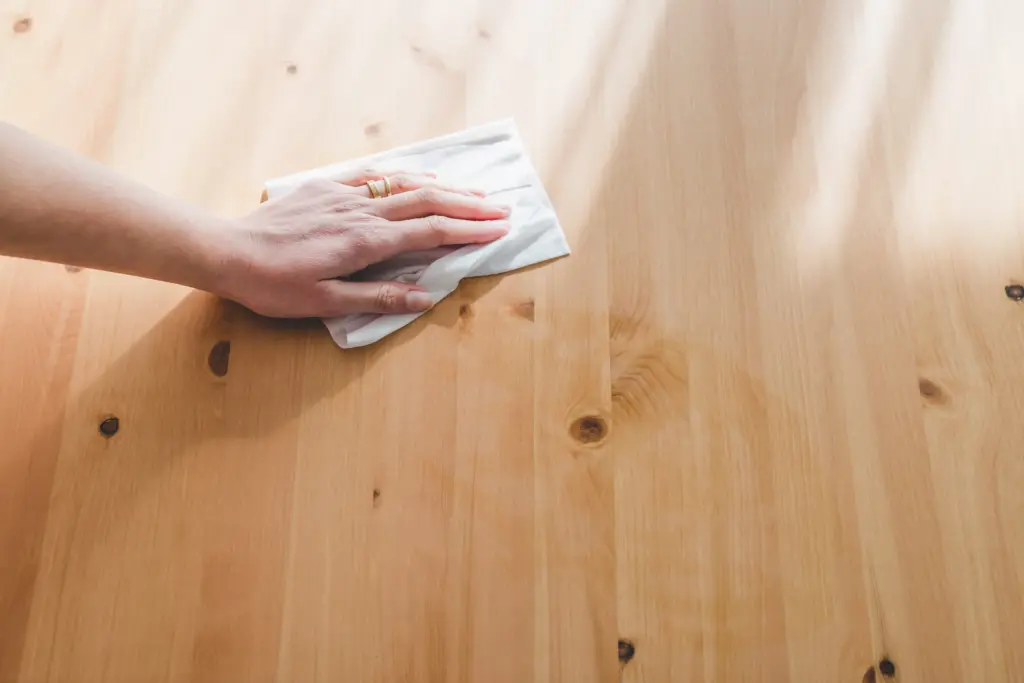
Different finishes need different care. Hard, sealed finishes like lacquer or varnish can usually be cleaned with a soft, slightly damp microfiber cloth and dried right away. Softer finishes, such as oil or wax, require gentler cleaning, minimal moisture, and specific products.
Best Practices for Cleaning Wood Surfaces
✓ DO: Dust with a clean microfiber cloth &, when needed, wipe with a barely damp cloth & a small amount of mild soap, then dry the surface immediately.
✗ DON’T: Soak the wood, spray cleaner directly onto the surface, or use ammonia, bleach, abrasive pads, or all-purpose cleaners that can dull or damage the finish.
Avoiding Damage during Cleaning
✓ DO: Use coasters, place mats, & felt pads to protect wood from water rings, heat marks, scratches, & pressure dents.
✗ DON’T: Place hot dishes, wet glasses, or sharp decorative items directly on the surface because they can trap moisture, transfer heat, or mark the finish.
Recommended Wood Cleaning Products
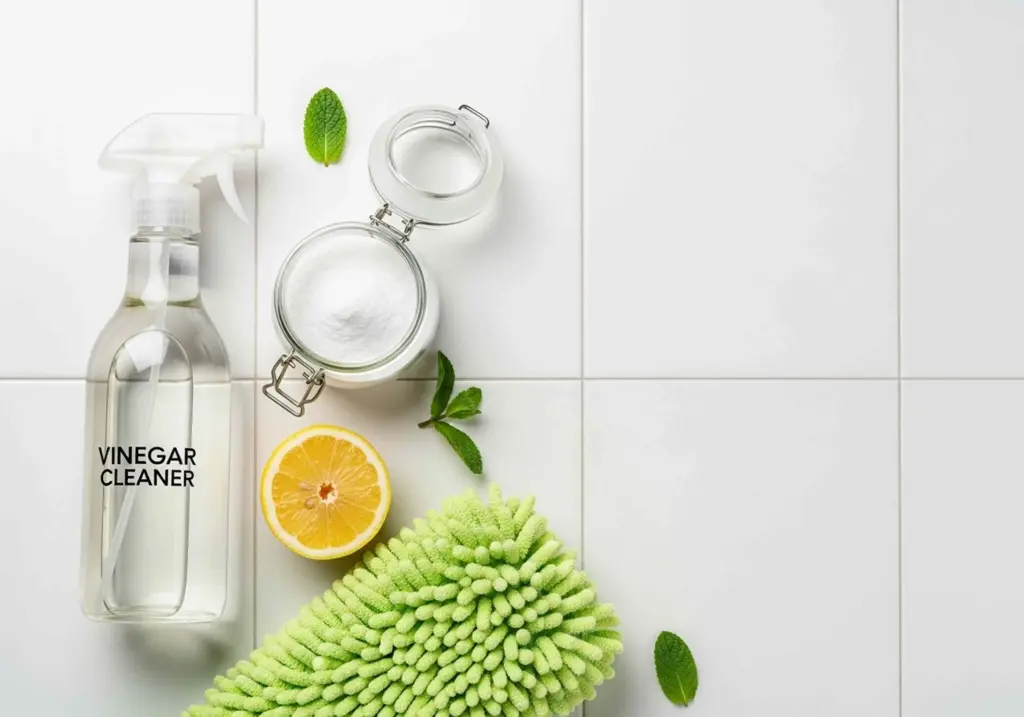
Simply use these recommended products for cleaning wood surfaces:
- White vinegar & water
- Mild dish soap & water
- Gentle soaps (e.g. Murphy’s Oil)
Wood Furniture Maintenance Tips
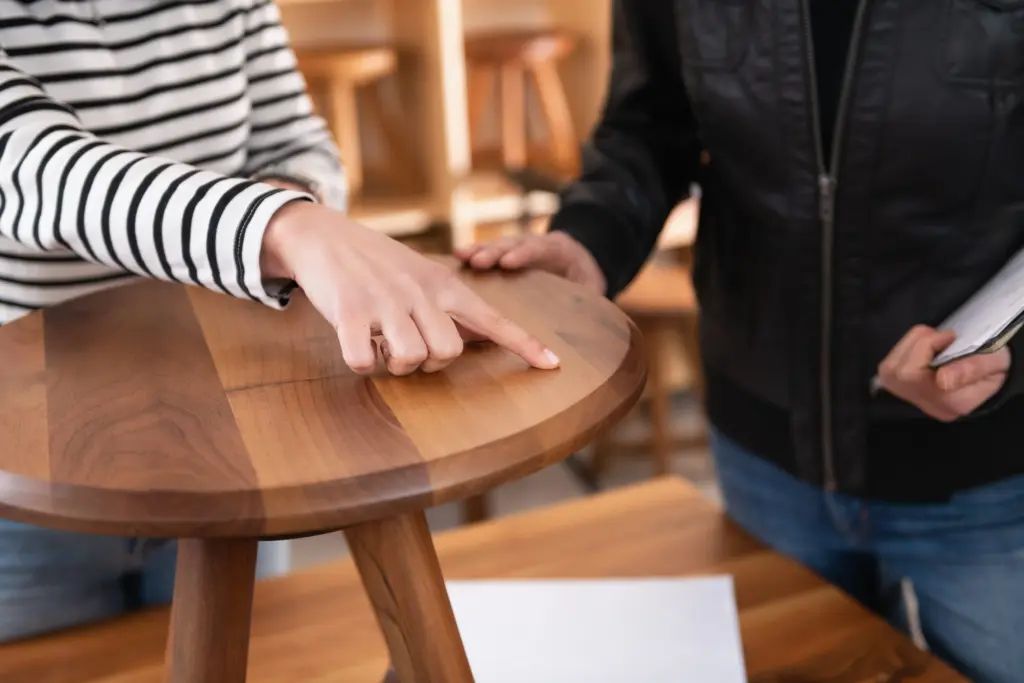
Maintaining solid wood furniture by regularly inspecting it and paying attention to how you dust is just as important as knowing the cleaning techniques.
Routine Inspection & Maintenance
✓ DO: Check joints, drawer tracks, table leaves, chair legs, & hardware every so often to catch small issues that can be tightened or corrected.
✗ DON’T: Ignore early signs of attention issues, such as wobbling, sticking drawers, lifting the finish, or repeated white rings.
Steps for Effective Dusting
✓ DO: Dust in the direction of the grain with a soft microfiber cloth while lifting objects instead of dragging them across the surface.
✗ DON’T: Use generic dusters, rough paper towels, or circular scrubbing motions that leave fine scratches in the finish.
Applying Protective Products Regularly
✓ DO: Use products made for solid wood furniture & test them first in a hidden area, especially when the finish is oil, wax, lacquer, or varnish.
✗ DON’T: Layer polish or wax too often, because buildup can make the surface sticky, cloudy, or uneven over time.
The Importance of Wood Polishing & Waxing
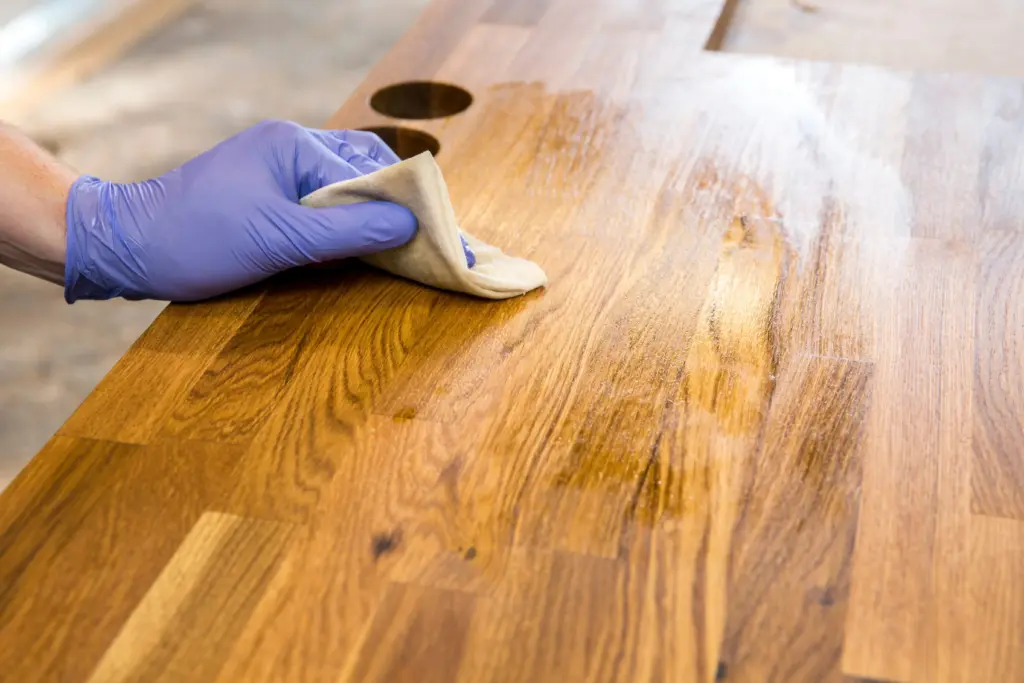
Polishing and waxing can restore shine, but it should be done sparingly. After the first five years, polish or wax solid-wood furniture once a year to prevent buildup. Alternatives to generic brands include non-toxic options such as plant-based polishes and natural waxes.
Wood Polishing Techniques that Work
✓ DO: Apply polish sparingly with a soft cloth, work in the direction of the grain, & buff gently until the surface feels clean rather than oily.
✗ DON’T: Use silicone-heavy sprays or quick-shine products if you plan to refinish the piece later, because they can interfere with future finish work.
The Right Way to Apply Furniture Wax
✓ DO: Apply a thin, even coat of paste wax in the direction of the grain, let it haze according to the product directions, & buff with a clean microfiber cloth.
✗ DON’T: Apply wax over dirty, damp, or sticky surfaces, & avoid using wax on finishes where the manufacturer recommends only a damp cloth.
Dealing with Common Furniture Issues
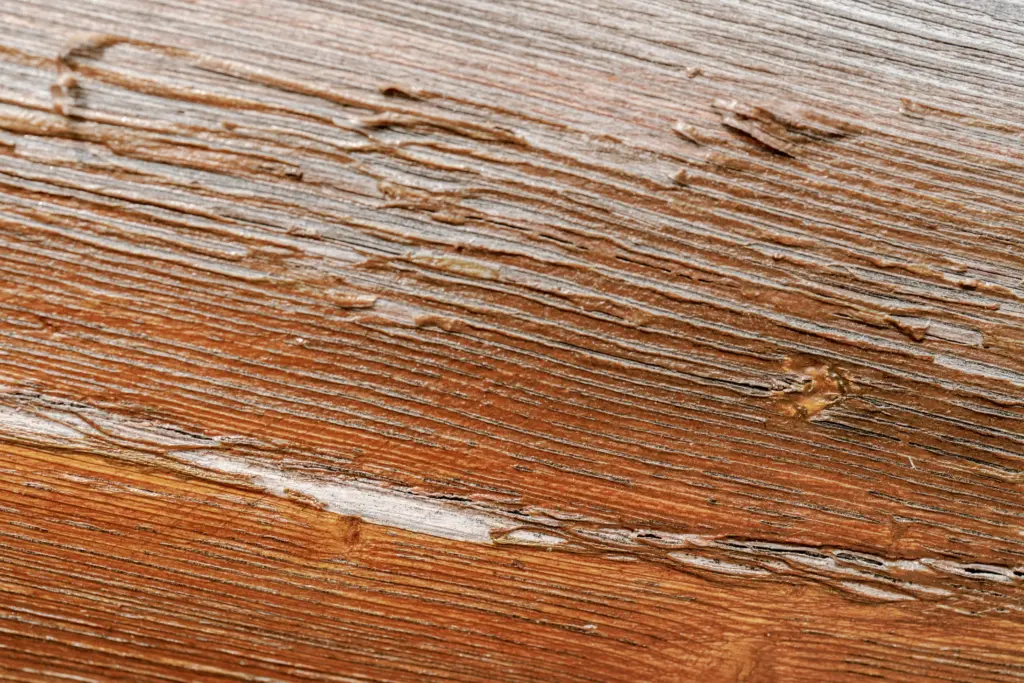
Accidents happen. Damage occurs. Solid wood furniture commonly experiences scratches, dents, and stains. Be proactive by:
- Regularly using coasters
- Immediately wiping up spills
- Keeping away from direct sunlight
- Adding protective layers like felt pads & place mats
Handling Scratches & Dents
But, even if a scratch or dent still occurs, try these steps. Treat light surface scratches with a matching touch-up marker, repair stick, or finish-safe scratch cover, then blend gently with the grain.
Unless you fully understand the finish and wood type, avoid filling deep dents, as aggressive repairs can remove color, flatten grain, or make the damage more visible.
Stain Removal Techniques for Wood
Blot spills immediately, clean with the mildest finish-safe method first, and test any stain treatment in a hidden area before applying it to the visible surface.
Avoid harsh cleaners, baking soda pastes, or abrasive pads, because they can remove both the finish and the stain.
Assessing when Professional Help is Needed

When gentle cleaning does not solve the issue, it may be time to ask a furniture professional. If the damage reaches the bare wood, the finish feels sticky or begins lifting, joints become loose, or stains remain after careful cleaning, avoid repeated DIY fixes. They can make restoration harder.
If you are near Winter Garden, Orlando, Ocoee, Gotha, or Oakland, stop by Heirloom Amish Furniture for guidance. You can also contact us with questions about caring for your solid wood furniture. We are happy to help you protect the pieces you want to keep for years to come.