
Dining Room Furniture
Bring Everyone Together in Style
Solid Wood Dining Furniture for Everyday Life
The dining room is where ordinary meals become traditions and family gatherings turn into lasting memories. Heirloom Amish Furniture offers solid wood dining tables, chairs, benches, bar seating, hutches, islands, and storage cabinets in styles ranging from warm and traditional to clean and contemporary.
Our Featured Dining Room Furniture Collections
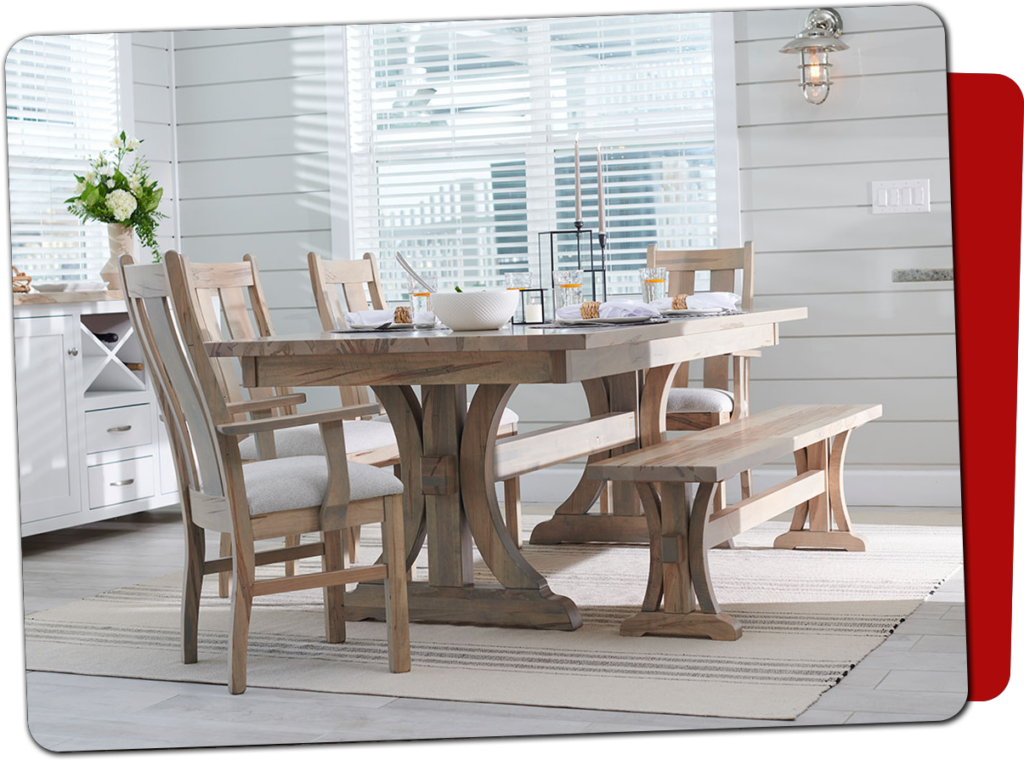
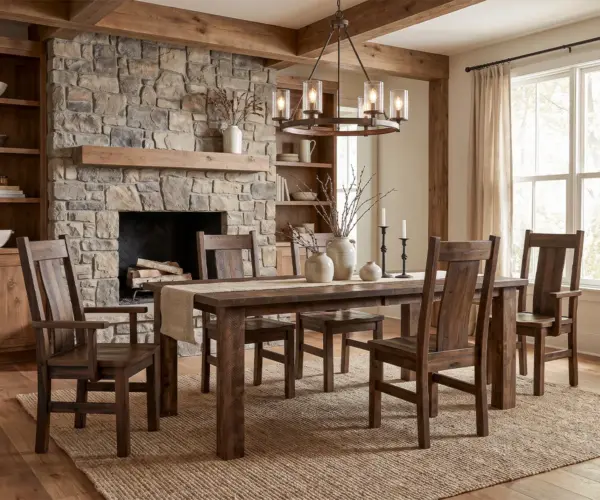
Callowhill Dining Collection
Shown With:
Wood: Rustic Hickory
Stain: FC Earthtone
This Collection Includes:
- Callowhill Table
- Callowhill Bench
- Hamilton Chair
- Ashland Server
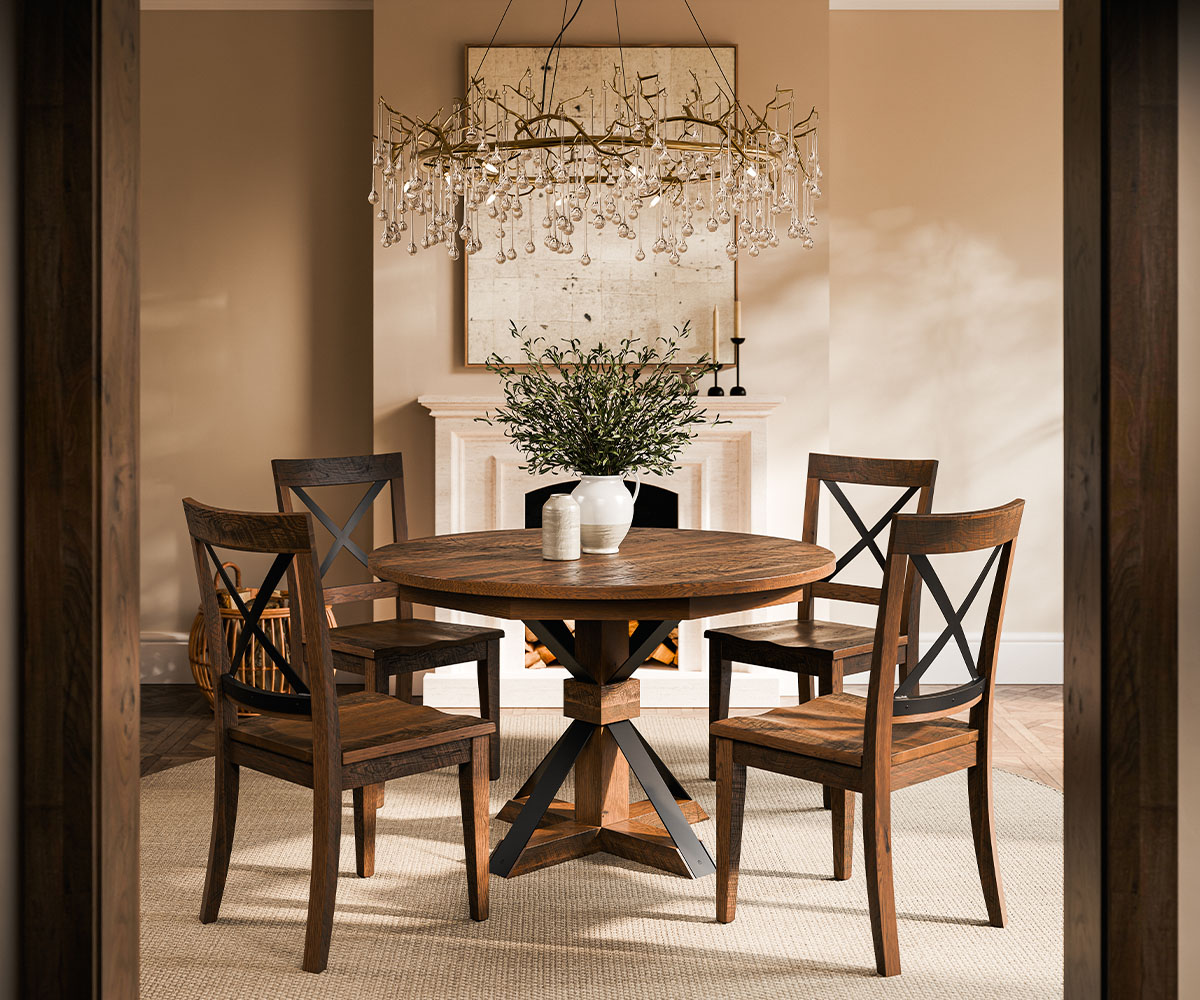
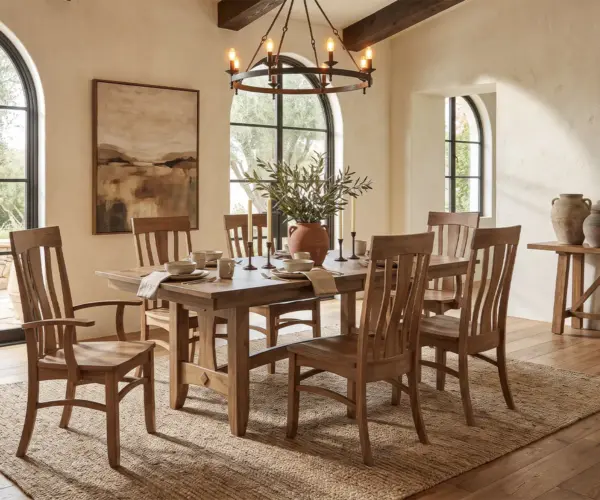
Bordon Dining Collection
Shown With:
Wood: Reclaimed Barnwood
Stain: Tavern
Edge: Mission Roundover
Base: Black Metal Trim
This Collection Includes:
- Bordon Table
- Wellington Chair
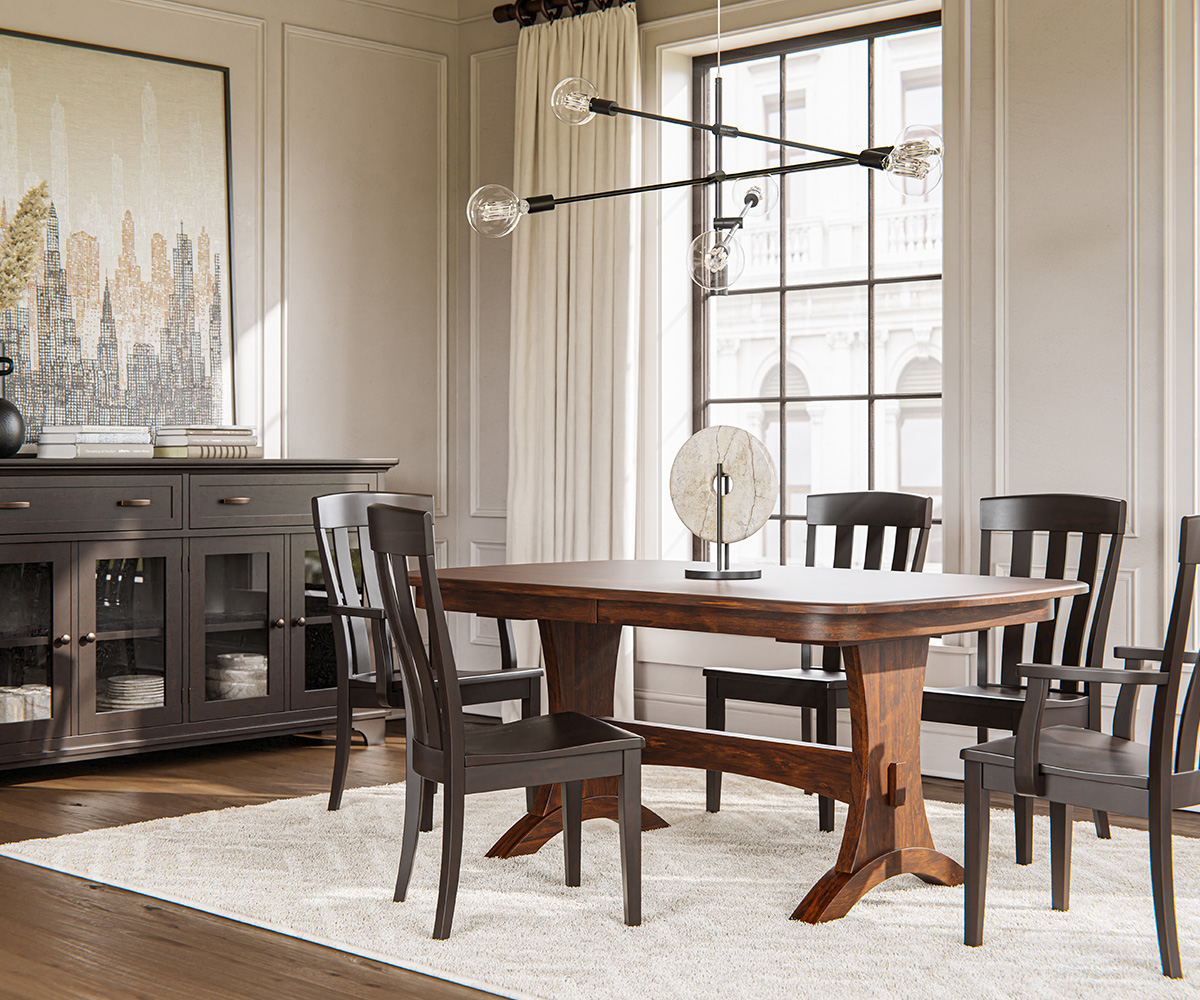
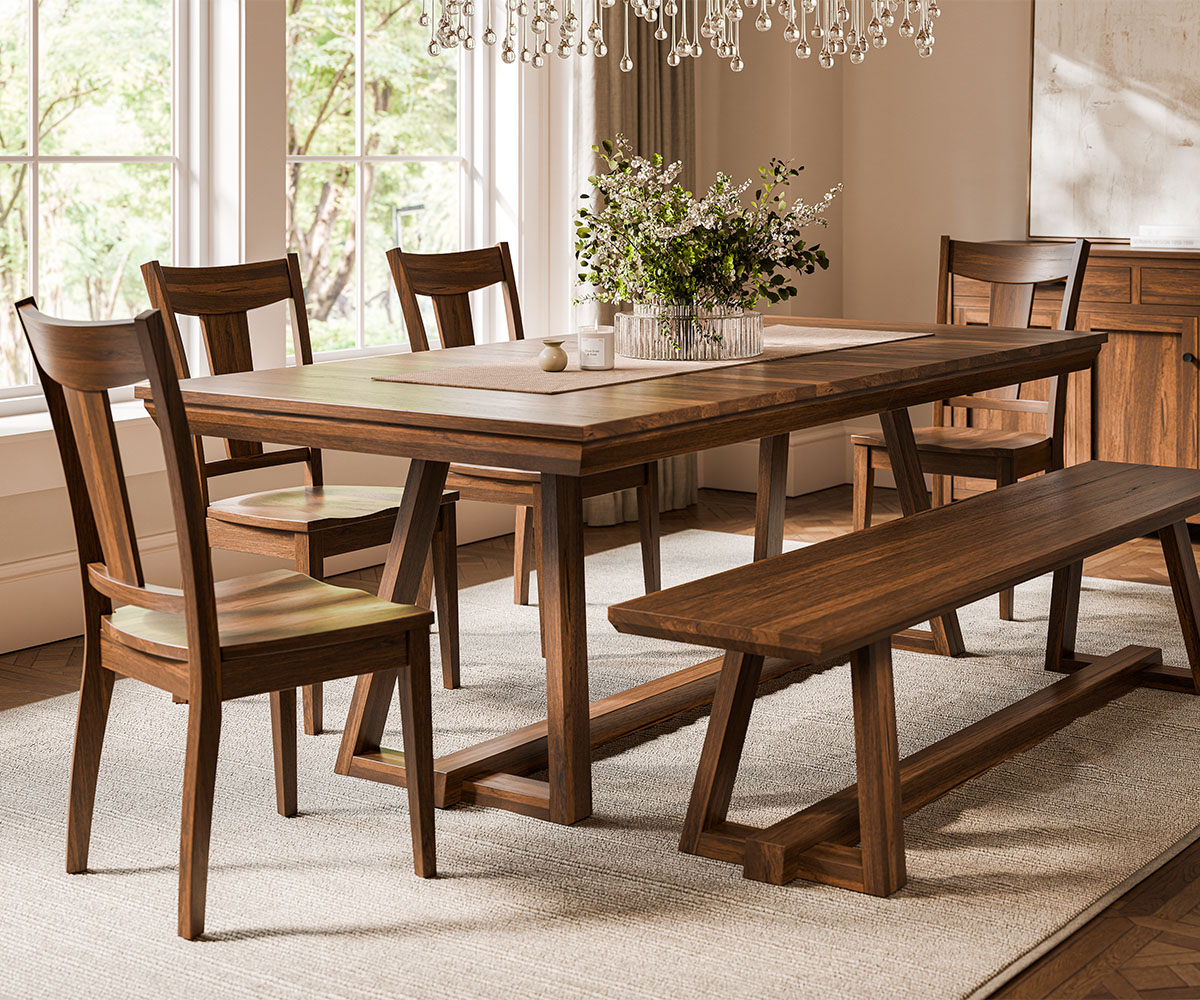
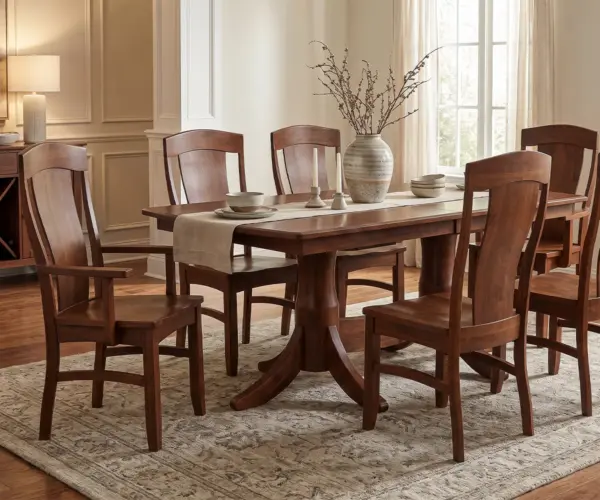
Brookport Dining Collection
Shown With:
Wood: Sap Cherry
Stain – Buffet/Chairs: OCS-230 Onyx
Stain – Table: OCS-117 Asbury
This Collection Includes:
- Brookport Table
- Brookport Buffet
- Brookport Chair
Browse Dining Room Furniture Categories



See Why Customers Choose Heirloom
Choosing dining furniture is about more than finding a table that fits the room. It means selecting furniture that will support everyday meals, family conversations, celebrations, and changing needs for years to come.
Customer reviews offer a helpful look at the experience of selecting styles, comparing materials, personalizing details, and bringing each piece home. Since 1999, the family behind Heirloom Amish Furniture has focused on building relationships with customers while helping them find furniture that feels right for their homes.



Explore table designs
Start with the Perfect Dining Table
The table establishes both the function and visual character of the dining room. Double pedestal and trestle tables provide a substantial foundation for larger gatherings, while leg tables offer familiar styling and broad versatility. Single pedestal tables work especially well in compact spaces, and pub tables create a more casual counter-height setting. Comparing how each design uses floor space and supports seating can help you find the right fit.
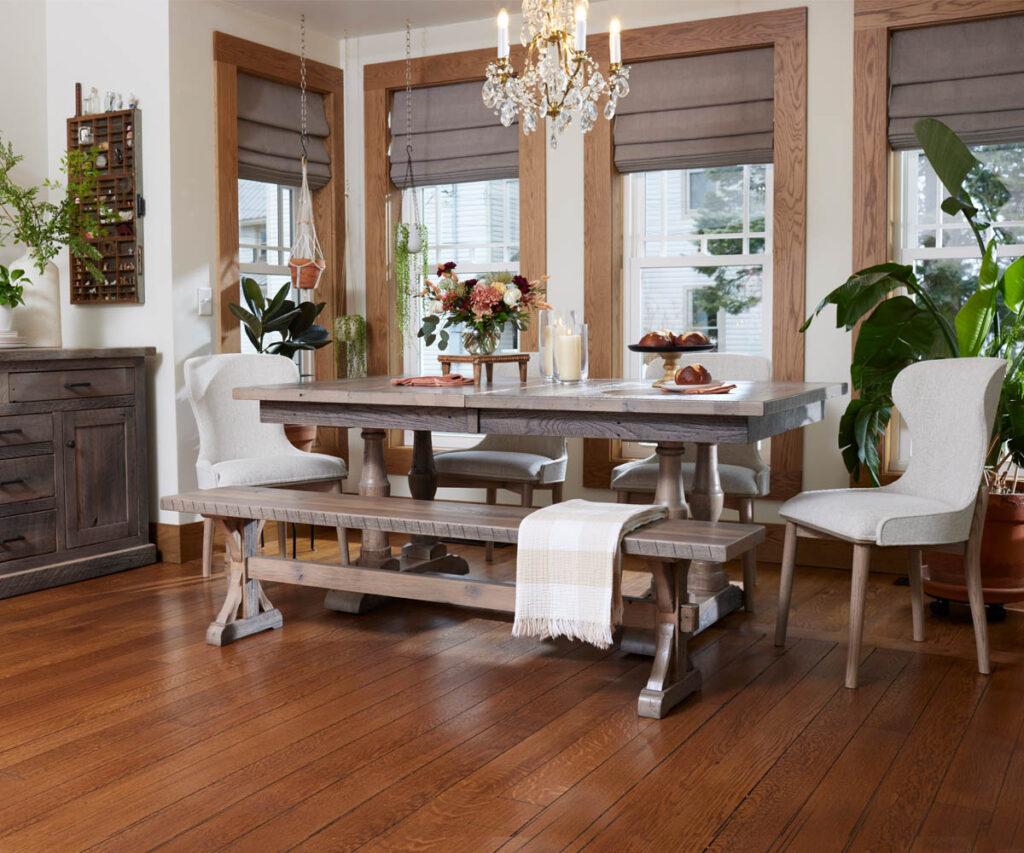
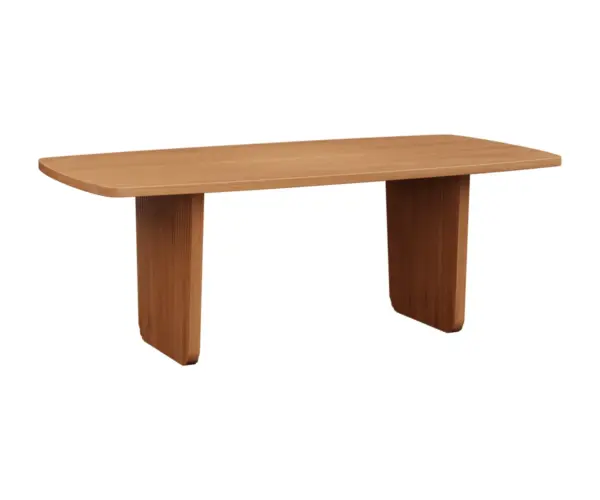
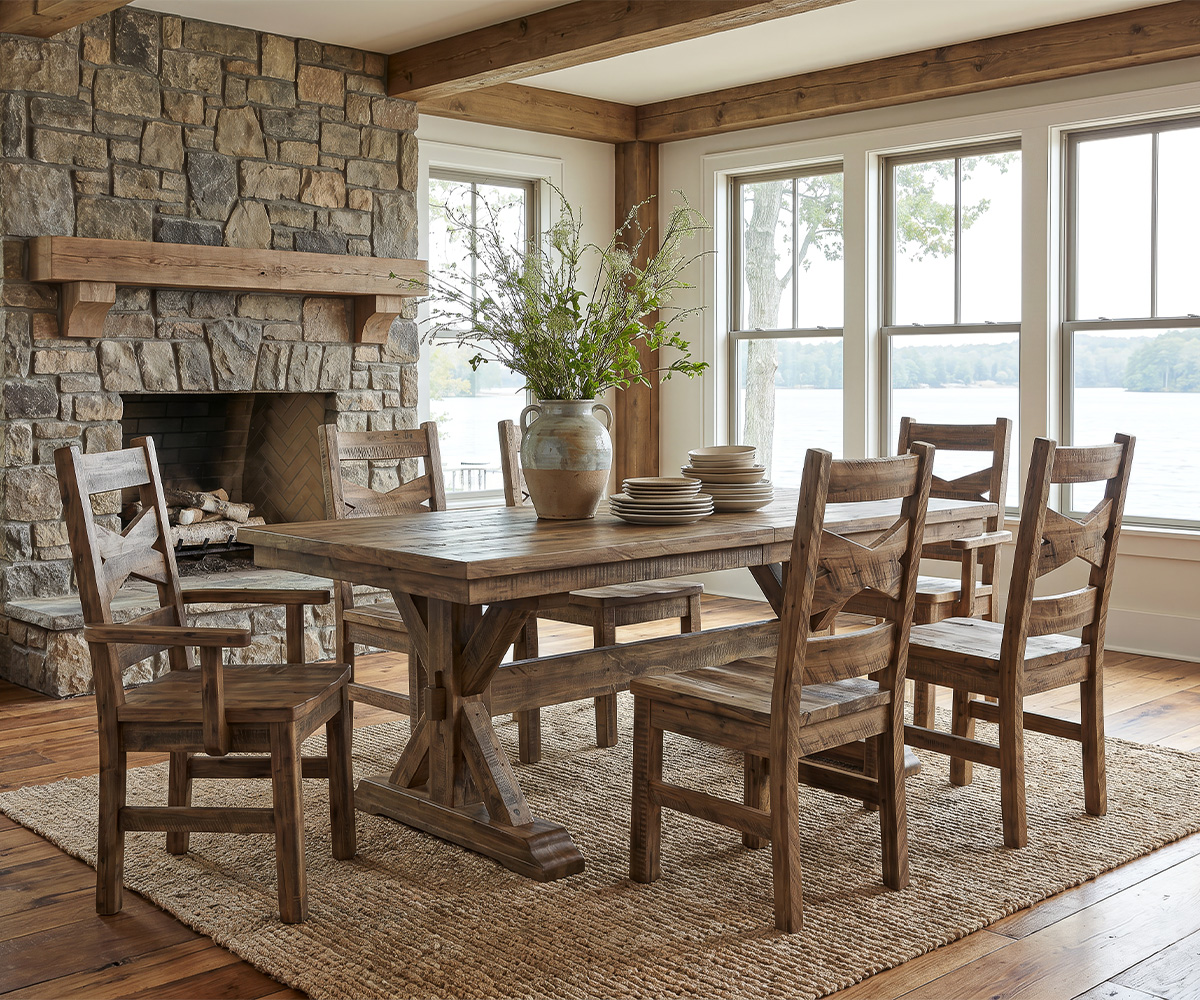
Double pedestal and trestle tables support the tabletop from beneath rather than placing four legs at the corners. This can provide more flexible seating along the sides and make it easier to accommodate additional chairs when extension leaves are added.
Their substantial bases make these tables especially well suited to larger dining rooms, open gathering spaces, and households that frequently entertain. Available designs range from traditional turned pedestals to simpler trestle bases with cleaner lines.
Leg tables offer a familiar four-corner design that works with nearly every decorating style. Their straightforward construction can give the table a visually lighter appearance, making them suitable for both formal dining rooms and casual kitchen spaces.
Before selecting a leg table, consider how the leg placement will affect seating when the table is extended. Corner legs may limit where additional chairs can be positioned, depending on the table size and leaf arrangement.
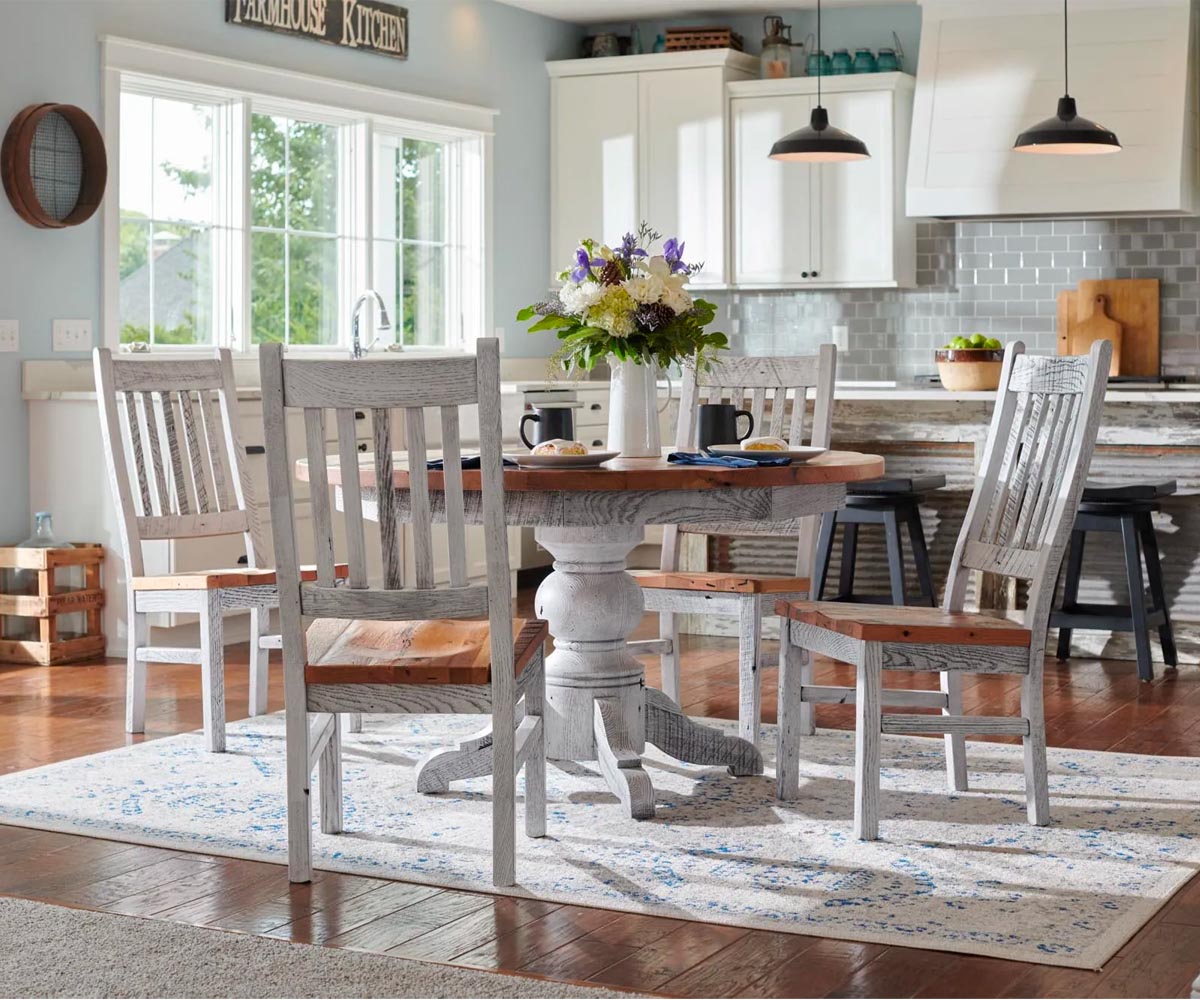
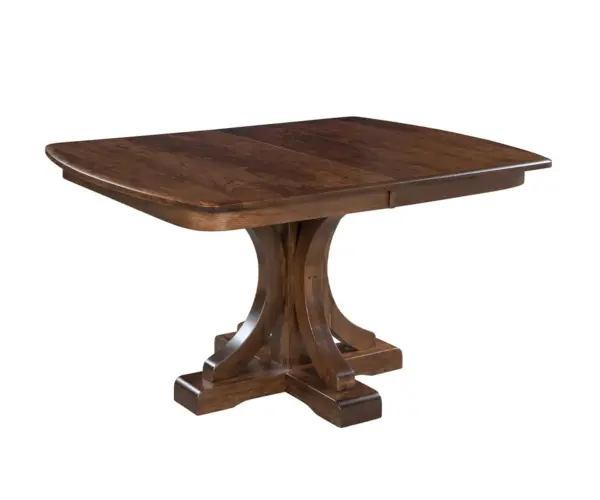
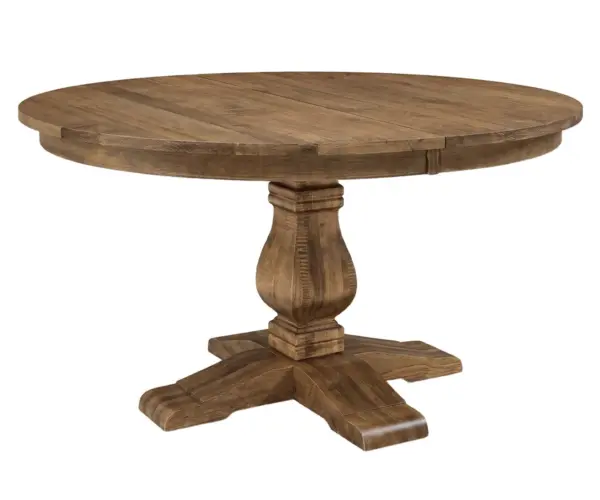
Single pedestal tables use one centered base to support the tabletop, leaving the perimeter more open for chairs and foot placement. Round and smaller square pedestal tables are particularly useful in breakfast areas, apartments, and dining rooms where efficient seating is important.
Because there are no corner legs, chairs can often be repositioned more freely around the table. Larger pedestal designs may also be available for rooms that need additional seating without the appearance of a long rectangular table.
Pub tables create a raised dining surface paired with counter-height or bar-height seating. Their taller proportions can help define a casual eating area within an open kitchen, recreation room, or compact dining space.
They are especially useful for informal meals, conversation, and entertaining, but the elevated seat height may not be comfortable or accessible for every household member. Confirm the finished table height before selecting chairs or stools.
Our Latest Double Pedestal & Trestle Tables


Our Latest Single Pedestal Tables


Start with a complete look
Explore Coordinated Dining Room Collections
Dining collections make it easier to coordinate the table, chairs, benches, and storage pieces throughout the room. Begin with a complete matching set or use a collection as the foundation for a more personalized arrangement. By selecting only the pieces your space needs, you can create a connected dining room without making every element feel identical.
Comfortable Seating for Families
Choose Seating That Invites Everyone In
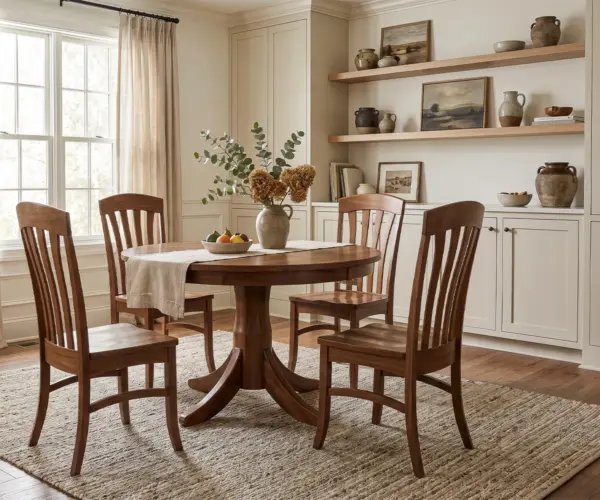
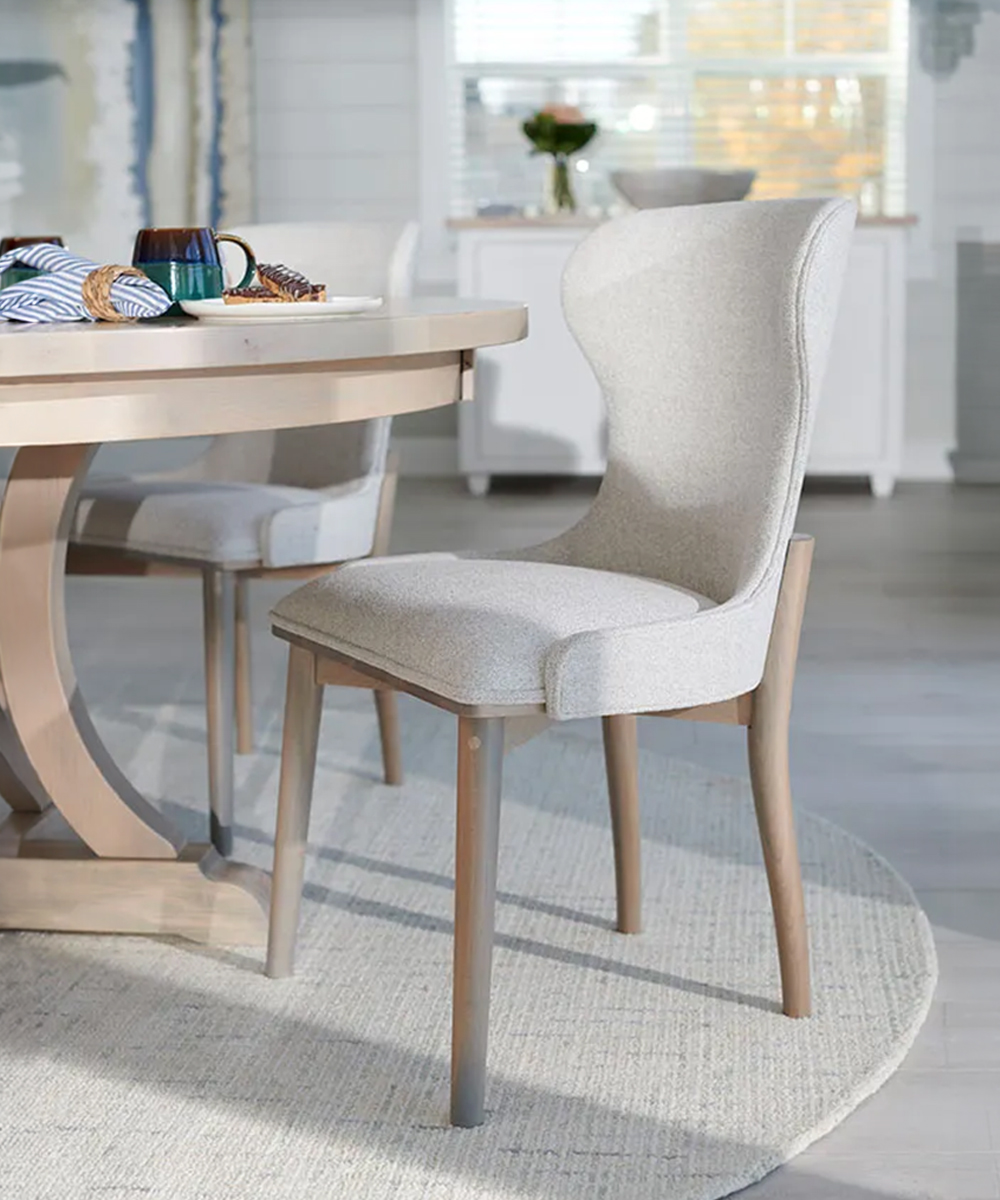
Dining seating should complement the table while supporting the people who use it every day. Traditional dining chairs provide individual comfort, while benches create flexible shared seating. Bar chairs add back support at raised surfaces, and backless stools offer a compact option that can often be tucked beneath a counter. Many dining spaces benefit from combining more than one seating style.
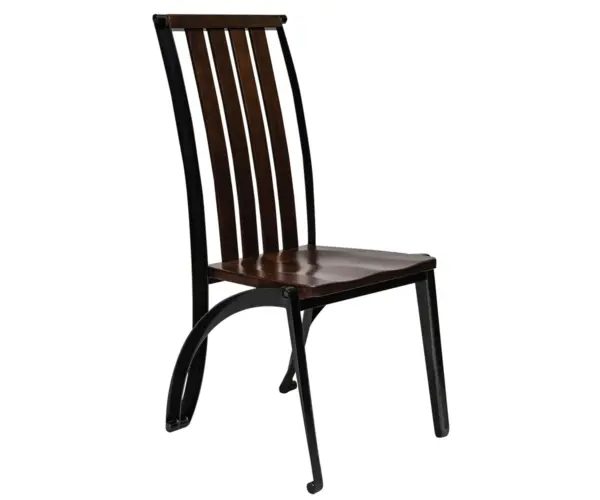
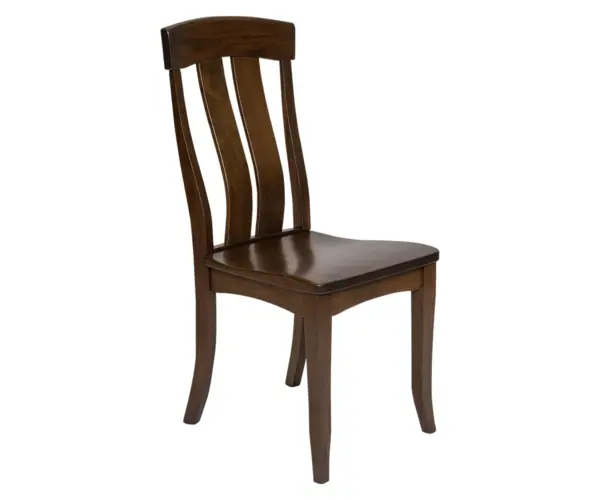
Dining Chairs
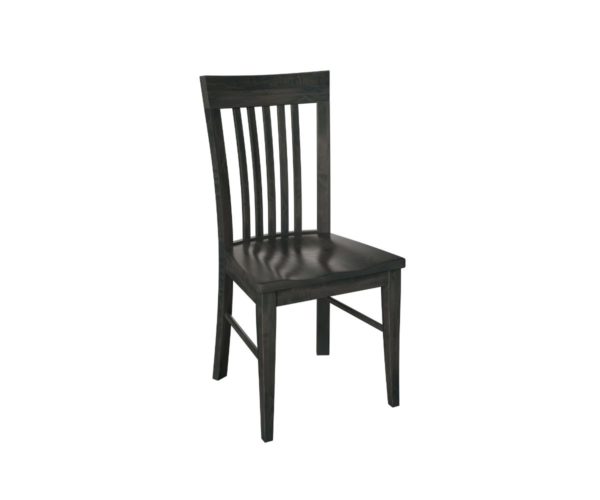
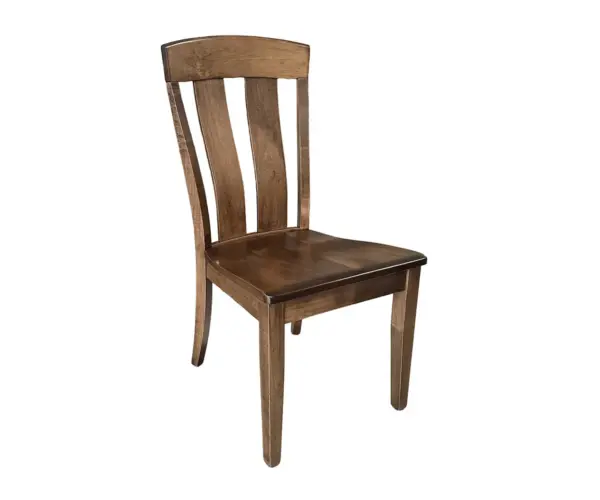
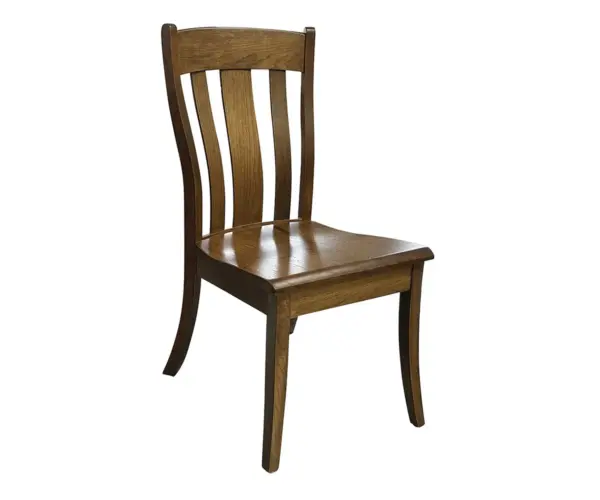
Dining chairs provide defined individual seating and are available in a wide variety of back styles, leg shapes, and comfort options. Side chairs work well along the length of a table, while armchairs can be used at the ends to create a more formal arrangement.
Consider seat width, back height, and the distance between the table legs when determining how many chairs will fit comfortably. Upholstered seats may add softness, while solid wood seats offer simple care and a coordinated appearance.
Dining Benches
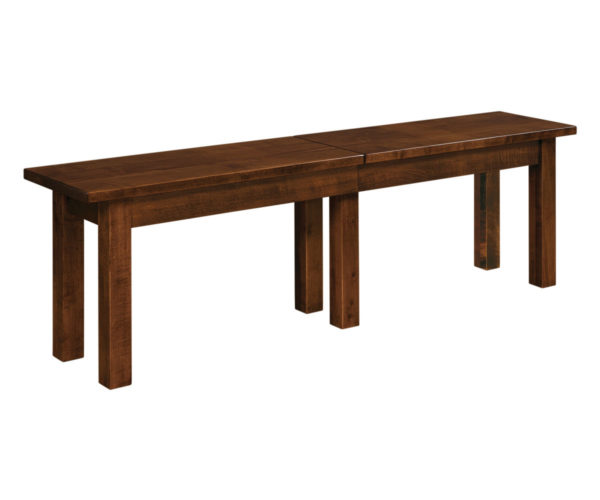
Benches allow several people to share one continuous seat and can create a relaxed, welcoming dining arrangement. They are especially useful for children, larger families, and tables that need flexible seating during gatherings.
A backless bench can often slide beneath the table when it is not being used, helping conserve floor space. Benches with backs provide more support but require additional clearance and have a stronger visual presence in the room.
Our Latest Dining Chairs
Our Latest Benches


Organize dishes, beverages, linens, and serving essential
Make Serving and Entertaining Easier
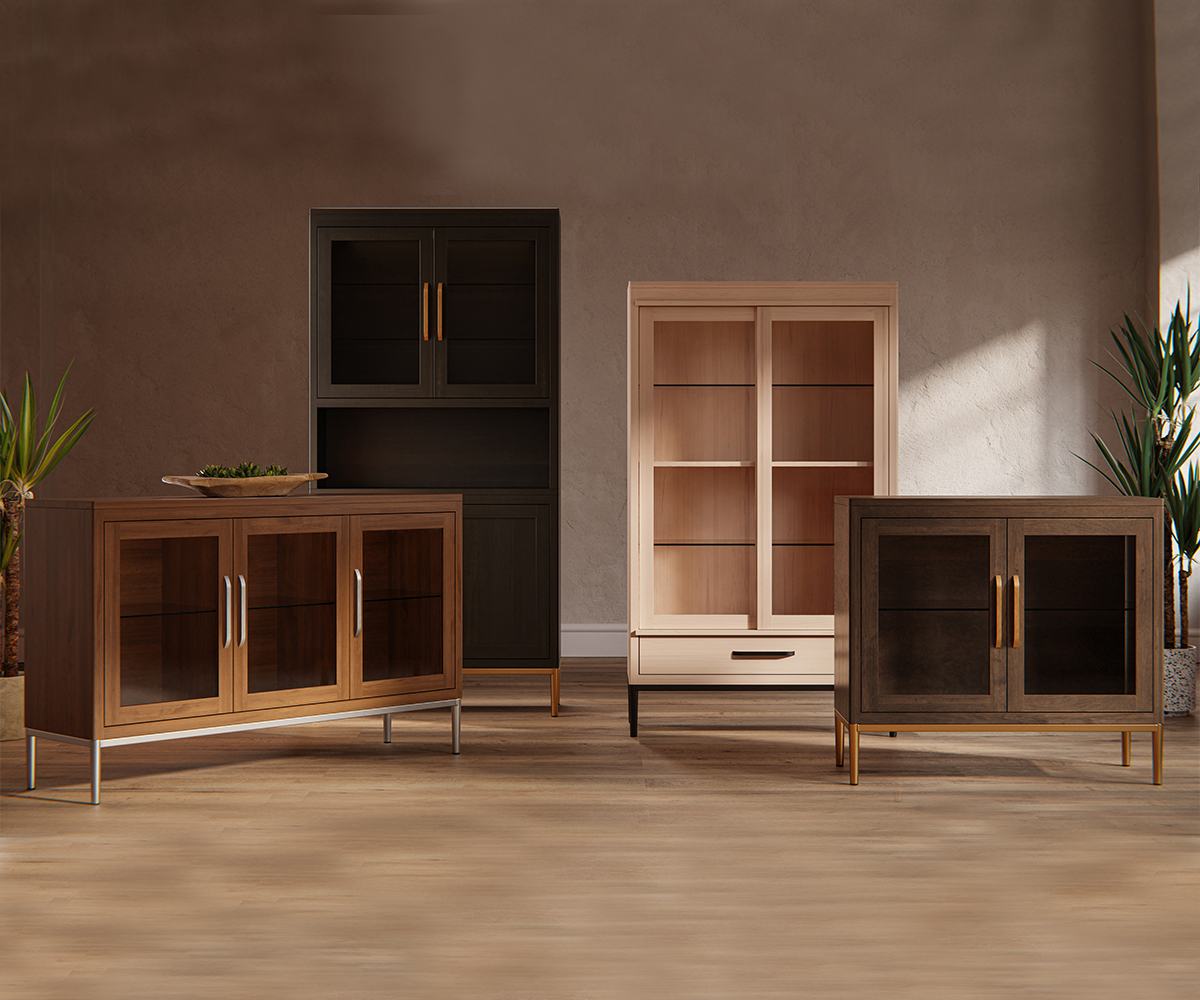
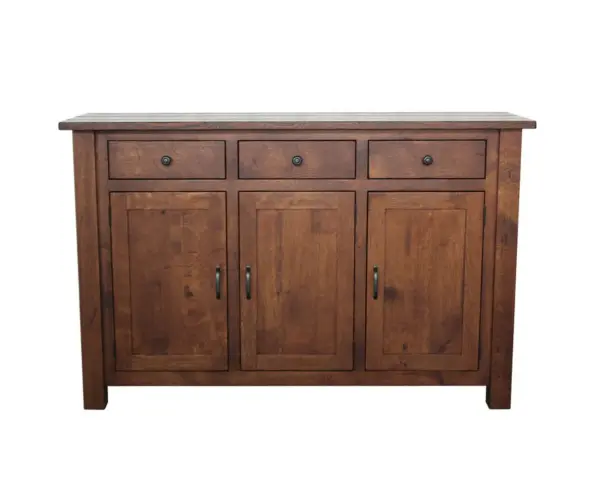
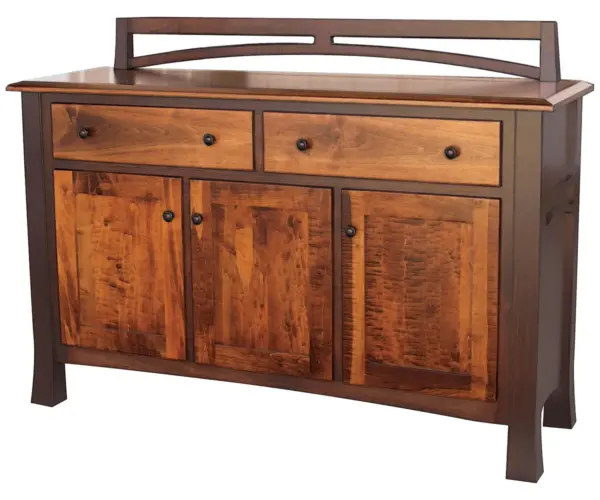
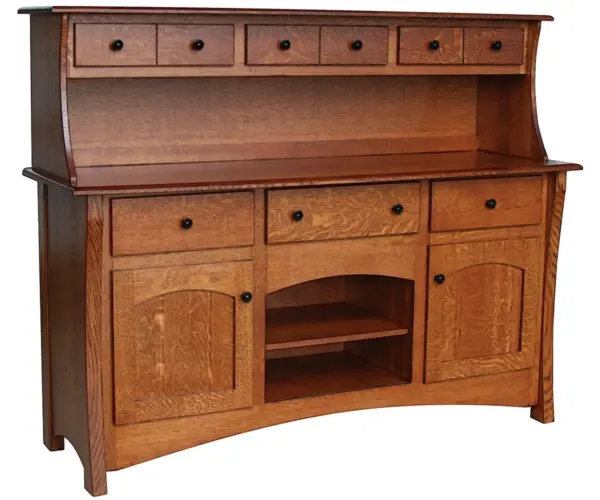
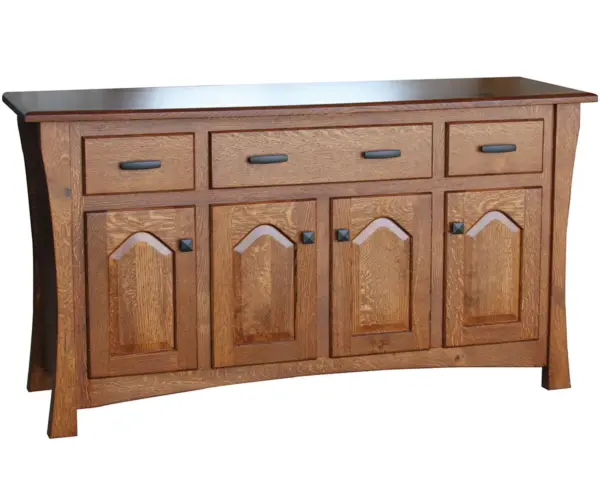
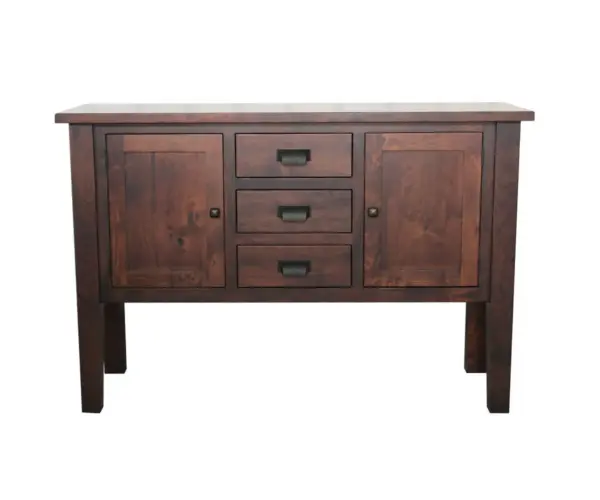
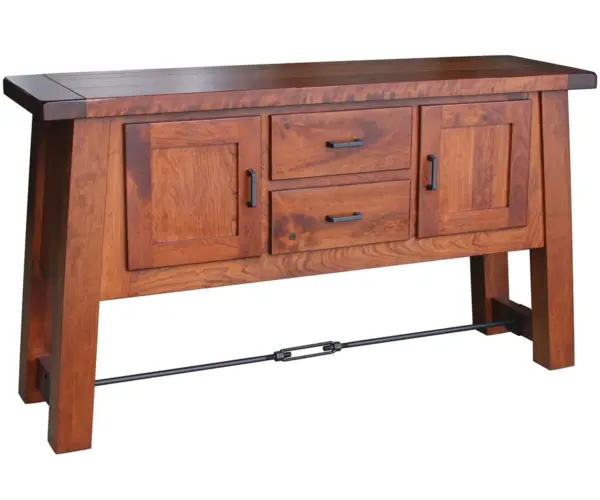
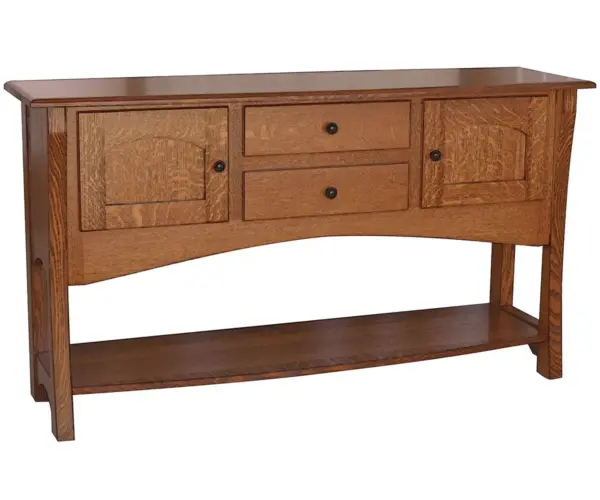
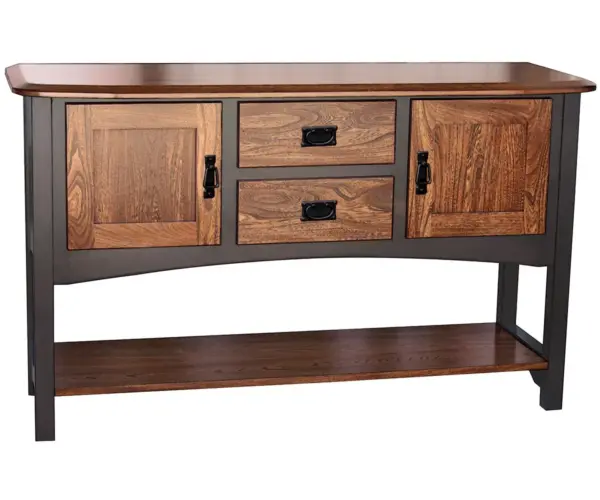
Serving furniture can reduce trips between the dining room and kitchen while giving frequently used items a dedicated place. Buffets provide broad storage and display space, while servers offer a more compact alternative. Coffee bars organize beverage supplies and appliances, and wine cabinets create specialized storage for bottles, glassware, and entertaining accessories.
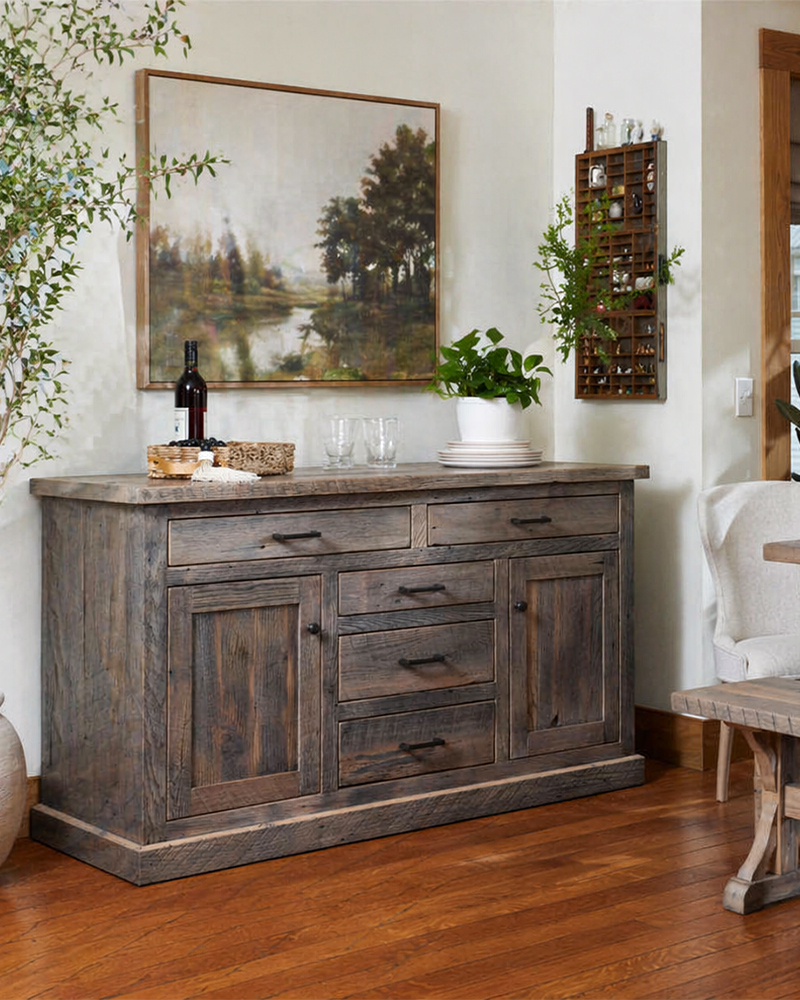
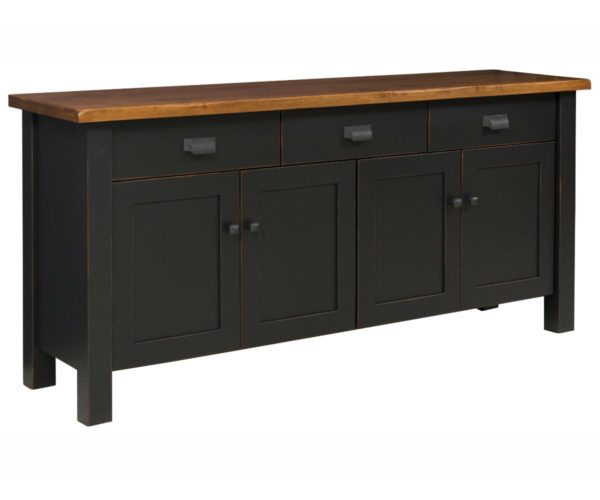
Buffets are typically wide, low cabinets with a combination of doors, drawers, and interior shelving. They provide storage for dishes, serving bowls, table linens, and seasonal items while offering a generous surface for food, lamps, artwork, or decorative displays.
Their broad proportions work best along an open dining room wall. Measure the cabinet depth and allow enough room for doors and drawers to open without interfering with chairs or walkways.
Servers perform many of the same functions as buffets but often have a smaller or visually lighter design. They provide a convenient surface for setting out food and drinks while keeping dining essentials close at hand.
A server can be a practical choice for a smaller dining room or for households that need occasional serving space without a large amount of enclosed storage. Available configurations may include drawers, cabinets, shelving, or wine storage.
Coffee bars create a dedicated place for a coffee maker, mugs, beans, sweeteners, and other beverage supplies. Keeping these items together can free valuable kitchen counter space while turning a daily routine into an organized station.
Depending on the design, a coffee bar may include drawers, cabinets, shelving, or an upper hutch. Confirm the available surface depth and height before placing small appliances on the cabinet.
Wine cabinets organize bottles, stemware, serving tools, and other entertaining essentials within one furniture piece. Some designs emphasize enclosed storage, while others include visible bottle racks or glassware displays.
A wine cabinet can be placed in a dining room, kitchen, or entertainment area. Choose a design based on the amount of storage needed and whether you prefer the contents to be displayed or concealed.
Practical Storage with Lasting Character
Freestanding storage can make a dining room or kitchen more functional without requiring permanent cabinetry. Hutches combine display space with concealed storage, while islands add a central work surface. Pantries provide tall enclosed organization, and jelly cupboards offer compact storage with traditional character. Each serves a different purpose and can help use available floor and wall space more effectively.
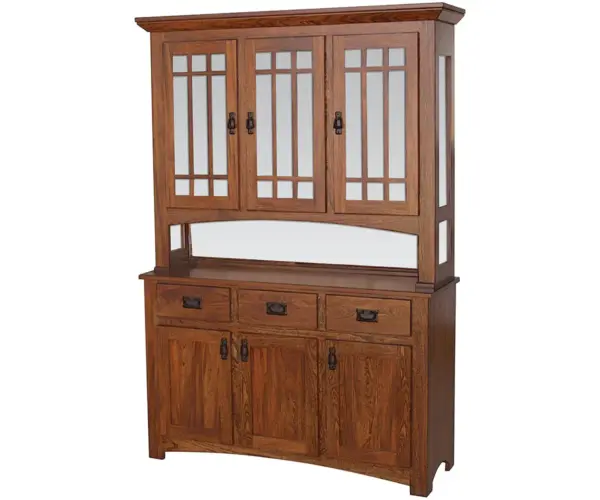
Dining Hutches
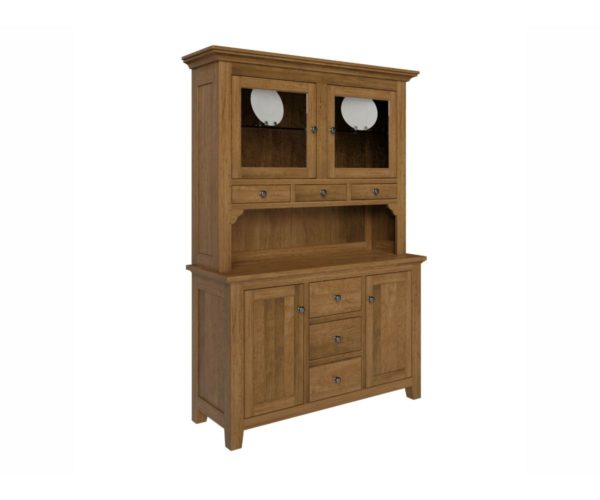
Dining hutches combine a lower cabinet with upper shelving or display storage. They are ideal for organizing dishes, glassware, serving pieces, and collectibles while creating a substantial focal point in the dining room.
Corner hutches make use of an area that may otherwise remain empty, while wall hutches provide wider storage and display space. Consider ceiling height, wall width, and door clearance when choosing a configuration.
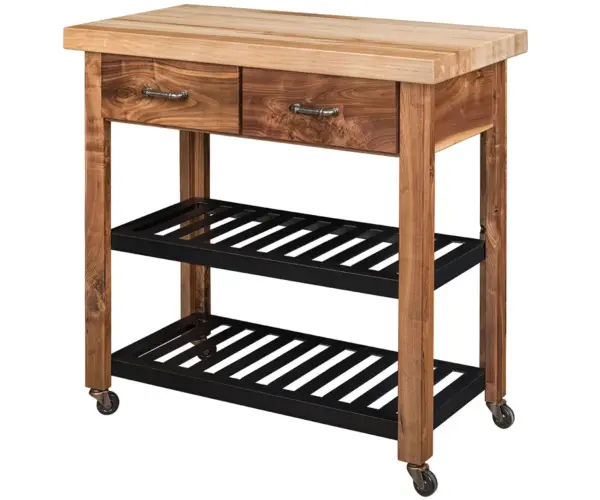
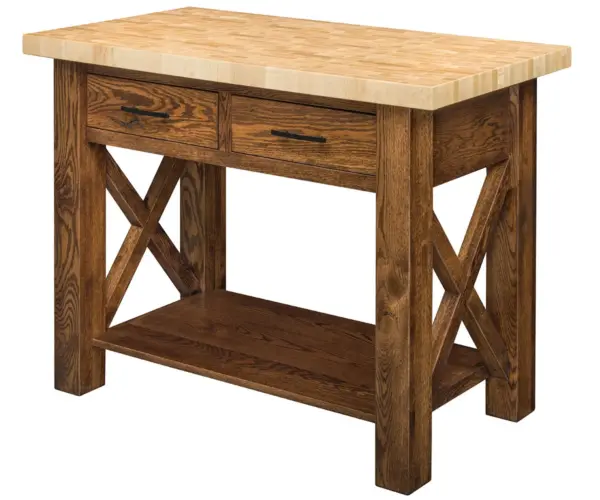
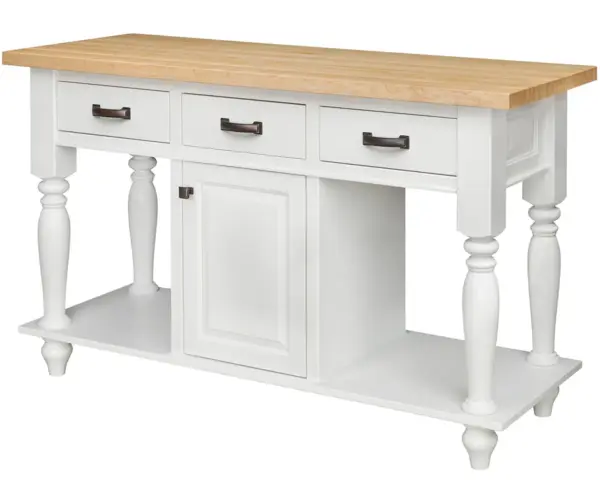
Kitchen Islands
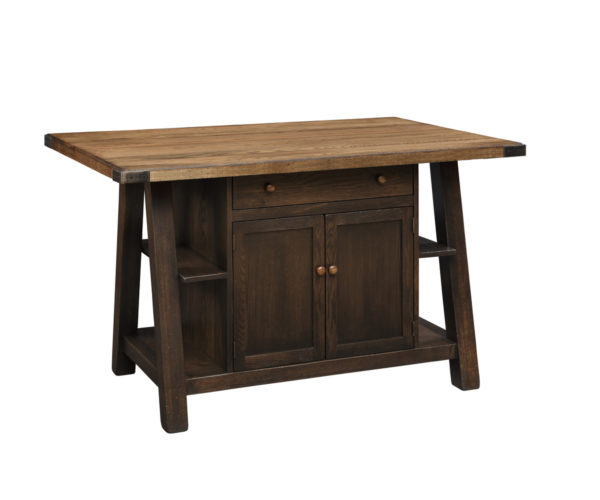
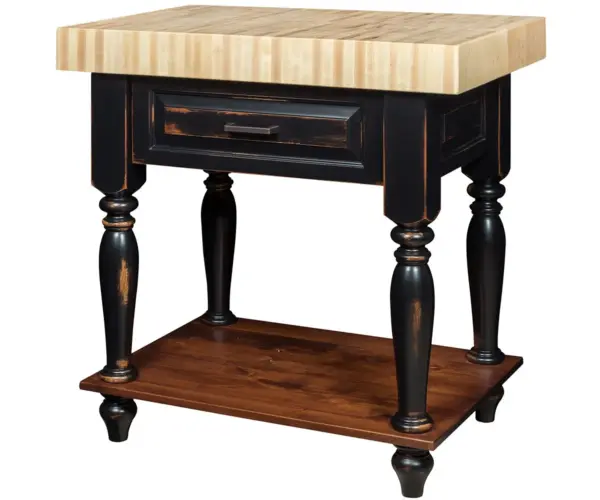
Freestanding kitchen islands add workspace, storage, and sometimes seating without the commitment of built-in cabinetry. Depending on the design, an island may include drawers, doors, shelves, an overhanging top, or space for stools.
Before selecting an island, measure the surrounding walkways and appliance clearances. There should be enough room to open doors and drawers while allowing people to move comfortably around the kitchen.
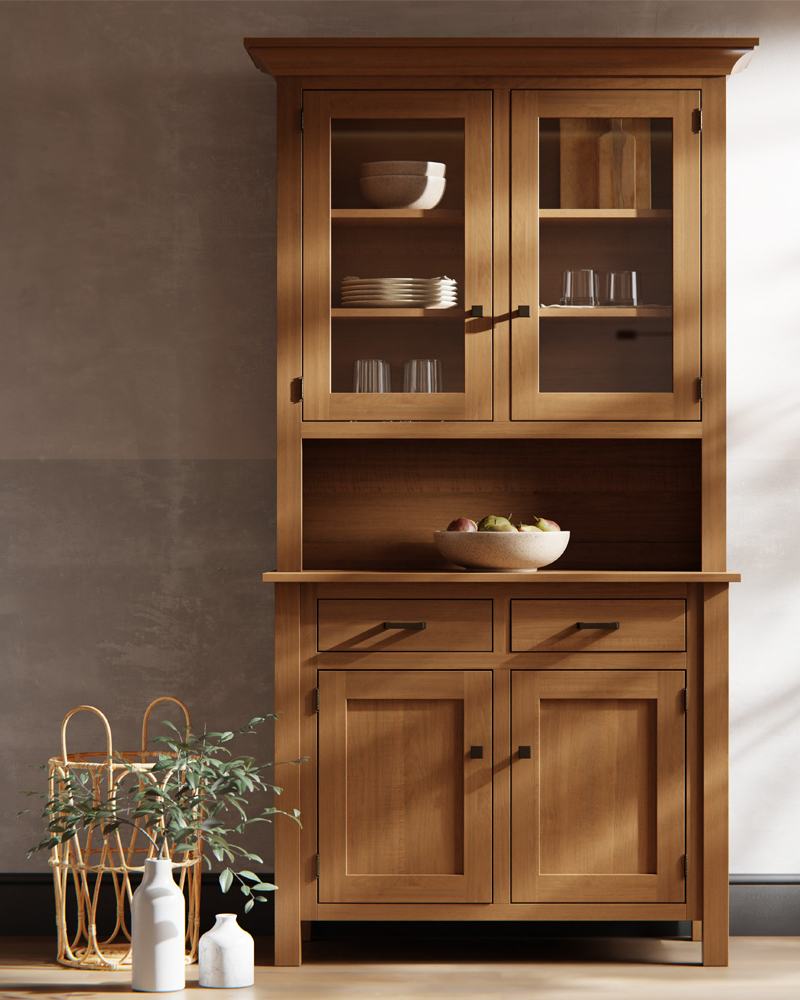
Our Latest Dining Hutches
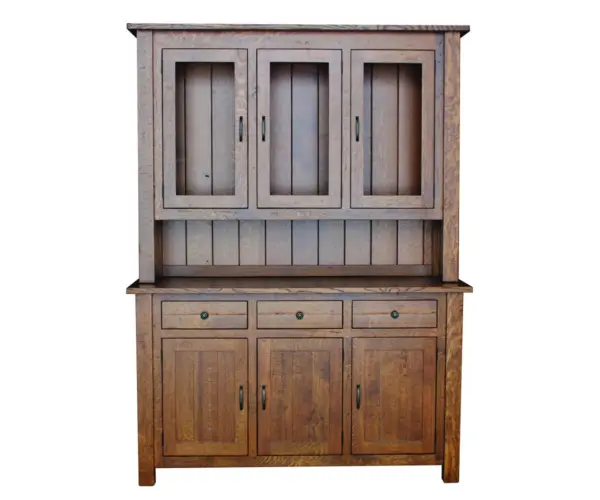
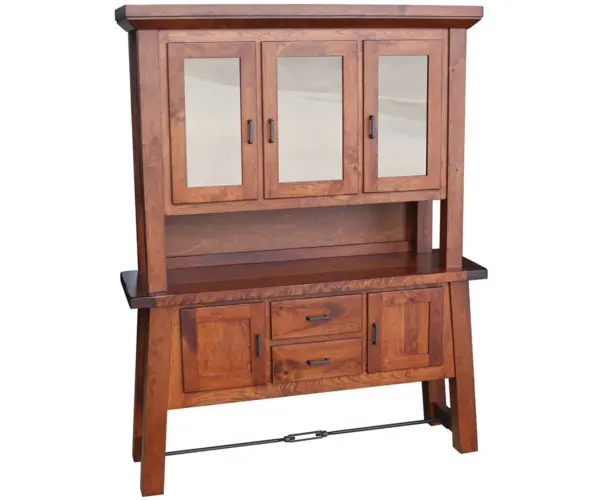
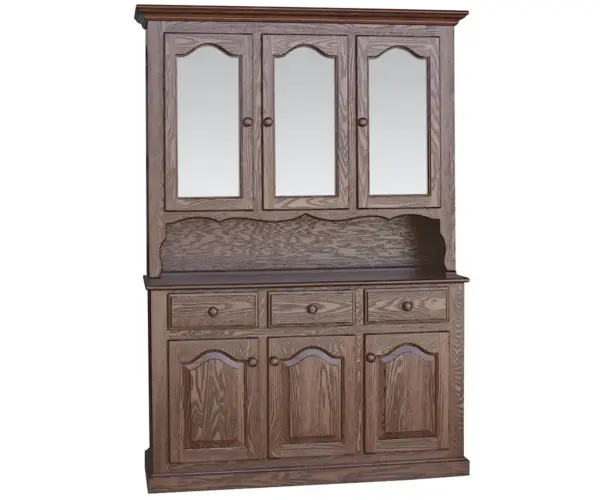
Our Latest Kitchen Islands
Custom Options
Choose the Wood, Finish, Hardware, and Style You Love
Dining furniture needs to work on ordinary weekdays as well as the occasions when every available seat is filled. Customization allows you to create a table and seating arrangement that fits the dimensions of your room, the size of your household, and the way you entertain.
Available choices may include table dimensions, extension leaves, wood species, stain colors, edge profiles, leg or pedestal designs, chair backs, seat materials, hardware, and coordinating storage. Options vary by piece and builder, but the Heirloom Amish Furniture team can help you understand which details are available.
- Choose your table size to support daily meals without overwhelming the room.
- Select your table base to balance seating capacity, legroom, and overall style.
- Add extension leaves to create more seating when family and friends gather.
- Mix chairs and benches to give the room a comfortable, less formal arrangement.
- Personalize wood and finish to complement flooring, cabinetry, and nearby furniture.
- Coordinate serving and storage with hutches, buffets, islands, and cabinets.
- Match hardware and details to the traditional, rustic, transitional, or modern look you prefer.
Dining Room Furniture Buying Guide
A successful dining room is built from pieces that work together without crowding the available space. Use this comparison to identify which furniture best supports your daily seating, entertaining, serving, and storage needs.
| Dining Furniture Piece | Best For | Main Function | Space Consideration | Why Choose It |
|---|---|---|---|---|
| Double Pedestal or Trestle Table | Larger households and entertaining | Provides an expansive dining surface | Best in medium to large rooms | Offers substantial style and flexible side seating |
| Leg Table | Everyday family dining | Provides traditional dining space | Works in many room sizes | Offers familiar styling and broad design variety |
| Single Pedestal Table | Breakfast areas and smaller rooms | Creates efficient seating around a centered base | Works well in compact spaces | Eliminates corner legs and allows flexible chair placement |
| Pub Table | Casual dining and open kitchens | Provides raised dining or conversation space | Requires taller seating | Creates an informal gathering area |
| Dining Chairs | Individual everyday seating | Provides defined seating with back support | Requires space between chairs | Offers the widest range of comfort and style options |
| Dining Bench | Families and flexible gatherings | Seats several people on one surface | Can often tuck beneath the table | Adds flexible seating with a relaxed appearance |
| Buffet or Server | Serving and dining storage | Stores dishes, linens, and serving pieces | Requires an open wall and door clearance | Adds both storage and a useful serving surface |
| Dining Hutch | Display and enclosed storage | Organizes dishes, glassware, and collectibles | Uses substantial vertical wall space | Combines storage with a strong visual focal point |
| Kitchen Island | Additional workspace and storage | Adds preparation space, cabinets, or seating | Requires clear walkways on multiple sides | Improves kitchen function without permanent cabinetry |
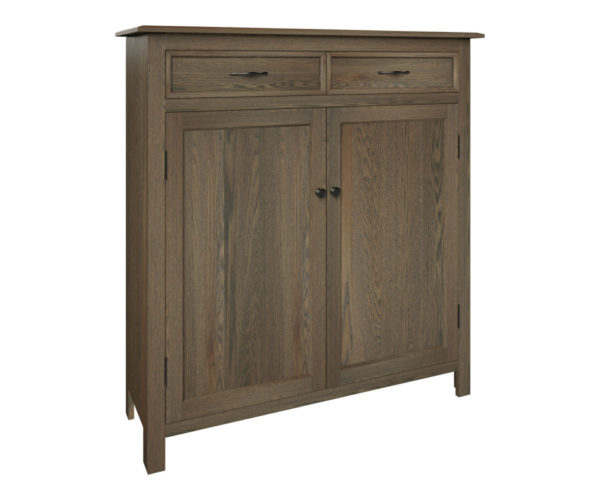
| Pantry or Storage Cabinet | Overflow kitchen and dining storage | Organizes food, appliances, and household supplies | Makes efficient use of vertical space | Adds concealed storage where built-ins are limited |
See and feel solid wood furniture firsthand
Visit Our Winter Garden Showroom
Visit Heirloom Amish Furniture in Winter Garden’s historic downtown district to explore dining furniture in person. Sit in different chair styles, compare table heights and base designs, open cabinet doors and drawers, and see how wood species and stain colors look under natural light.
Bring your room measurements and ideas, and the showroom team can help you find a table, seating arrangement, or complete collection suited to your household and available space. You can also enjoy the surrounding shops, restaurants, gardens, and other attractions that make downtown Winter Garden a memorable place to visit.
Dining Room Furniture FAQ’s
Begin by measuring the room and accounting for nearby walls, cabinets, doorways, and walkways. As a general planning guideline, leave approximately 36 inches between the table and surrounding obstacles, with additional room where people regularly walk behind seated diners. Also consider whether the table will remain extended or only use leaves during larger gatherings.
Many dining tables are available with extension leaves, although the number, size, and storage method vary by design. Some leaves may store inside the table, while others need to be stored separately. Confirm the table’s closed and fully extended dimensions before ordering so both configurations work in your room.
A buffet is generally a wide, low cabinet with substantial storage and serving space. A server often provides similar function in a smaller or lighter design. A hutch combines a lower cabinet with upper shelving or display storage, making it a taller and more prominent piece.
Yes. A bench can be used along one side of the table with individual chairs on the opposite side and at the ends. This arrangement adds flexible seating and creates a more relaxed appearance. Check the distance between the table supports to ensure the bench can slide underneath when desired.
Measure from the floor to the underside of the counter or tabletop. The seating should leave comfortable space between the top of the seat and the bottom of the surface. Counter-height and bar-height furniture are not always interchangeable, so confirm the measurements rather than relying only on the product label.
Many pieces offer choices for wood species, finish color, table size, extension leaves, base style, chair design, seat material, hardware, and other details. Available options vary by product and builder, so the Heirloom Amish Furniture team can help confirm what can be personalized.